
Madagascar’s Most Scenic Roads: A Road Trip Guide with Stops and Viewpoints
Introduction
Madagascar is an island of contrasts, and its roads are the best way to feel that variety under your wheels. This guide focuses on the most scenic and rewarding drives: what to expect, where to stop for views and food, safety considerations and practical timing so you can plan a road trip that is beautiful, comfortable and culturally rich.
Route Nationale 7 (RN7): The Classic Spine
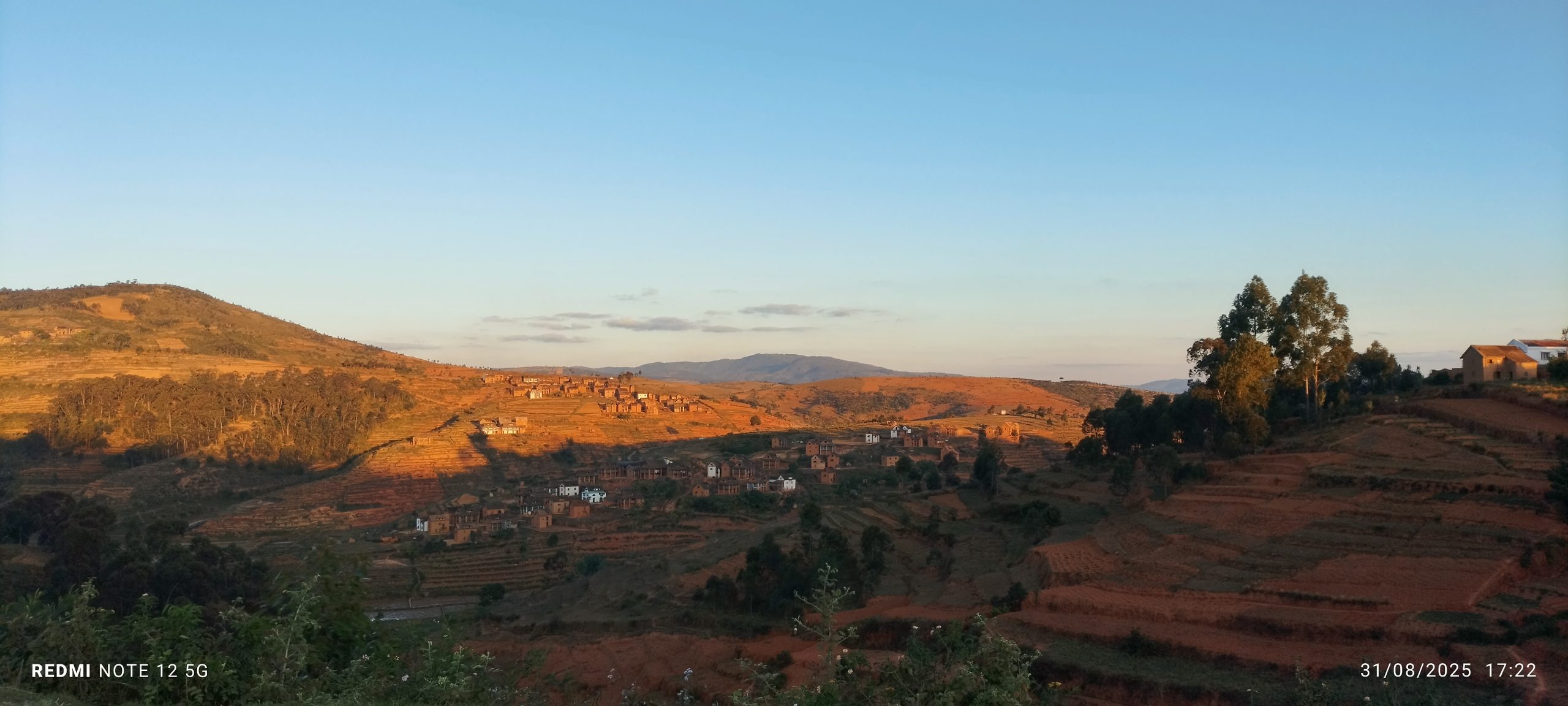
RN7 is Madagascar’s classic road-trip route, running from Antananarivo south to Toliara (Tuléar). It stitches together misty highlands, terraced rice fields, national parks and the dramatic canyons of Isalo. Key stops include Ambatolampy for local crafts, Antsirabe for colonial charm, Ambositra for woodcarving, Ranomafana for rainforest walks, and Isalo for sunset viewpoints and natural pools. This is the route for first-time visitors who want an iconic, varied cross-section of the island.
Tip: allow several days to a week for RN7 if you want to hike in parks and enjoy relaxed viewpoints rather than rushing through.
Route Nationale 2 (RN2): From Highlands to the East Coast
RN2 connects Antananarivo to Toamasina (Tamatave) and offers a lush transition from central highlands to humid, coastal landscapes. Drive hours reveal coffee plantations, remnants of rainforest and roadside markets. Stop near Andasibe for short rainforest walks and night wildlife spotting, and plan time in Tamatave for its portside atmosphere and nearby beaches.
Tip: start early to enjoy cooler highland light and avoid heavy mid-day traffic near cities.
Route Nationale 6 (RN6): The Northern Coastal Approach
RN6 leads north toward Antsiranana (Diego-Suarez) and crosses varied scenery—lagoons, baobab-scattered plains and sections that demand careful driving. The road unlocks access to Montagne d’Ambre and Ankarana reserves and continues to coastal bays with dramatic viewpoints. A 4×4 or an experienced local driver is recommended for some stretches, especially during the rainy season.
Tip: fuel can be sparse in remote northern stretches—refuel in major towns and carry spare water and a basic tool kit.
Route Nationale 5 (RN5): The Wild Eastern Coast
RN5 runs along the eastern coastline from Toamasina toward Maroantsetra and is famed for its raw, coastal character. Parts of the road are paved but many sections are rough and require river ferries or temporary crossings. The route is spectacular for adventurous travelers: expect mangrove panoramas, secluded beaches and access to Masoala and other remote marine reserves.
Tip: check local conditions and ferry schedules before departure—some sections are seasonal or may need alternative transport arrangements.
RN4 and RN3: Short Scenic Links and Viewpoints
RN4 connects Antananarivo to Mahajanga and offers a relatively quick drive with surprising viewpoints near Ambondromamy and open savannah landscapes. RN3 and other regional roads are shorter but can reveal dramatic local scenery—lakes, small mountains and sunset viewpoints. These roads are excellent for day trips or as connectors between longer routes.
Best Viewpoints and Stops
Sunrise over the highland rice terraces, the canyon rim viewpoints at Isalo, the river scenery along the Tsiribihina and the coastal bays near Diego-Suarez are must-see moments. Local markets, roadside hot spots and small village cafes provide authentic stops where food is fresh and encounters are genuine. Plan stops at community-run viewpoints and national park lookouts to support local conservation and hospitality.
Practical Timing and Distances
Road distances in Madagascar can be misleading because average speeds are often low due to road condition, weather or market stops. Short distances can take longer than expected and long distances may require overnight breaks. Build buffer days into your itinerary and avoid ambitious same-day transfers between major attractions when possible.
Safety and Vehicle Advice
Hire a reliable local driver if you are unfamiliar with the terrain. For northern or eastern routes consider a 4×4, especially during the rainy season. Carry spare tires, basic tools, water, cash and a first-aid kit. Drive during daylight hours whenever possible and park in secure, well-lit areas overnight.
Sustainable Driving: Respecting Landscapes and Communities
Stay on established tracks to protect fragile vegetation, avoid littering and support local businesses by eating at village stalls and choosing community-run lodges when available. Ask permission before entering private land or sacred sites and consider hiring local guides—this keeps revenue in communities and enriches your understanding of each place.
Sample Itineraries
A relaxed RN7 highlights itinerary can span 7 to 10 days with stops in Antsirabe, Ambositra, Ranomafana and Isalo. A northern exploration via RN6 and coastal connectors can be crafted over 10 to 14 days to include Montagne d’Ambre and Ankarana. Coastal RN5 adventures are best for travelers comfortable with flexible schedules and local transport logistics.
Conclusion
Madagascar’s roads are invitations to slow travel: each route offers different landscapes, wildlife and cultural encounters. Whether you choose the classic RN7, the lush RN2, the dramatic RN6, the wild RN5 or shorter scenic connectors, plan for patience, prioritize local guides and savor the viewpoints along the way—these are the moments that transform a drive into a real journey.
Madagascar awaits
You might also like these tours