Madagascar: A Unique Destination in the World
Madagascar is one of the most extraordinary travel destinations on Earth. Located in the Indian Ocean off the southeastern coast of Africa, this vast island is often described as a world apart. Its long geographical isolation, exceptional biodiversity, and deeply rooted traditions have created a country unlike any other. Visiting Madagascar is not only about discovering beautiful places; it is about experiencing a living culture and an untouched natural world.
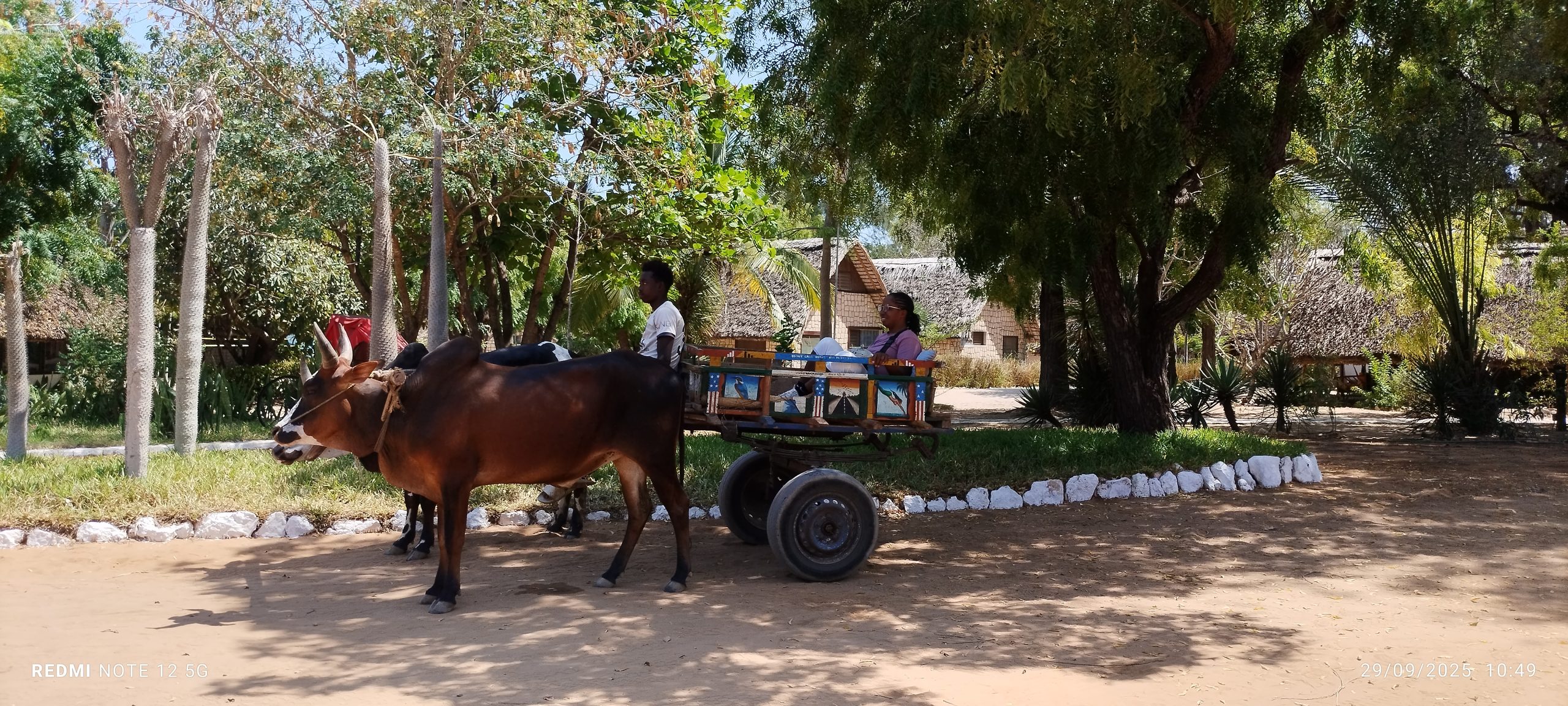
Separated from the African continent more than 160 million years ago, Madagascar evolved independently for millions of years. This isolation explains why the island is considered one of the world's most important biodiversity hotspots. Nearly ninety percent of the wildlife and plant species found here are endemic. Lemurs, chameleons, baobab trees, rare orchids, and unique ecosystems make Madagascar a dream destination for nature lovers, photographers, and travelers seeking authenticity.
Origins and Cultural Identity
The Malagasy people have a unique origin that sets Madagascar apart from other African countries. The population descends from a mix of Southeast Asian, African, Arab, and European influences. The first settlers are believed to have arrived from Indonesia more than a thousand years ago, crossing the Indian Ocean by canoe. Over centuries, African migrations and Indian Ocean trade routes enriched this foundation.
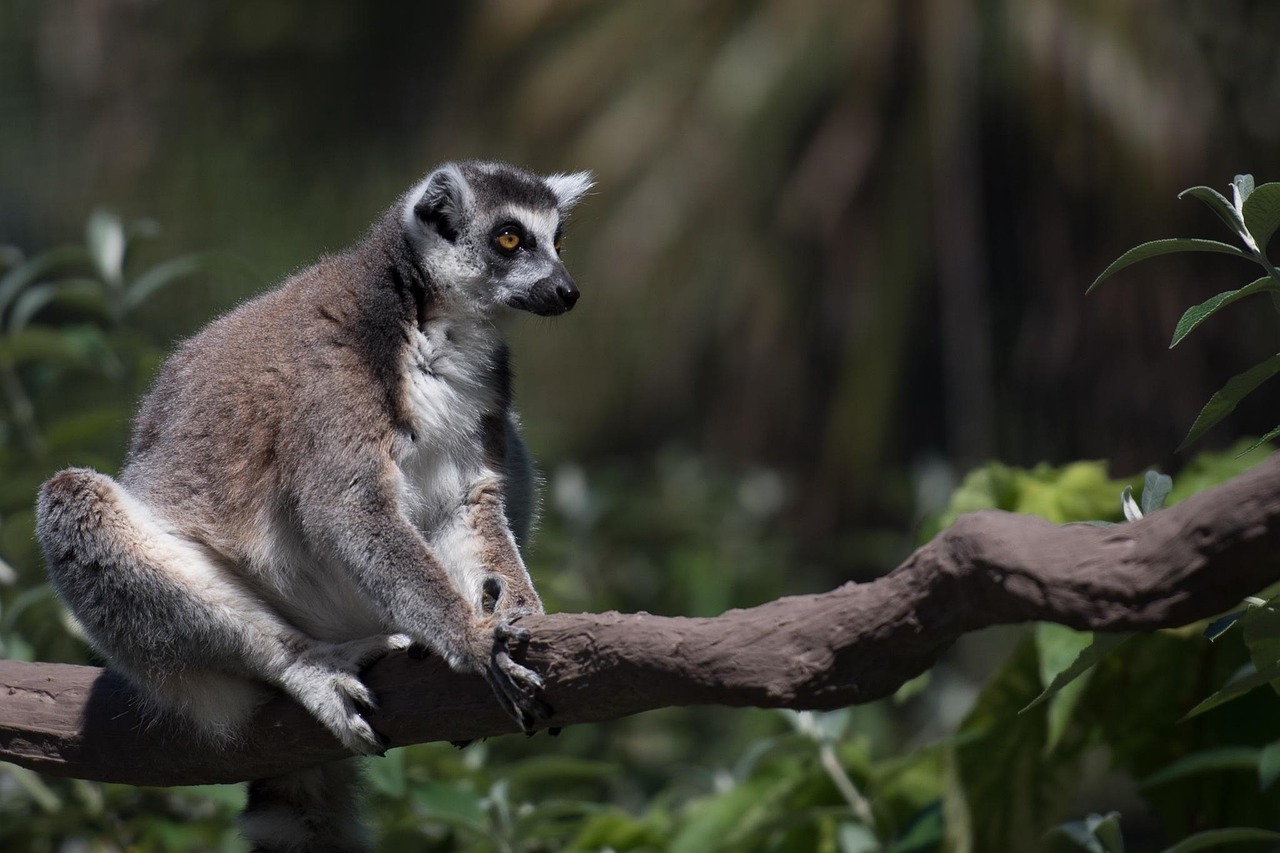
This blend of cultures is reflected in the Malagasy language, which belongs to the Austronesian family, as well as in traditions, food, architecture, and social organization. Madagascar is one of the rare places in the world where African and Asian heritage coexist so naturally, forming a strong and distinctive national identity.
Traditions, Beliefs, and Daily Life
Traditions remain central to Malagasy society. Respect for ancestors plays a fundamental role in daily life and social relationships. Ancestors are believed to continue guiding and protecting the living, and this belief is expressed through rituals, ceremonies, and family customs.
Local taboos, known as fady, are another essential part of Malagasy culture. These traditional rules vary from one region to another and may relate to food, behavior, places, or specific times. Understanding and respecting these customs allows travelers to better appreciate the Malagasy way of life and the deep respect for harmony between people and nature.
Music, dance, craftsmanship, and oral storytelling are still widely practiced and passed down through generations. Each region has its own cultural expressions, making Madagascar a country of remarkable diversity.
Climate and Natural Landscapes
Madagascar's climate varies greatly depending on the region. The eastern coast has a tropical and humid climate, with lush rainforests and abundant rainfall. The central highlands enjoy a cooler, more temperate climate, ideal for agriculture and human settlement. The western regions are drier, dominated by savannas and seasonal forests, while the south is semi-arid, shaped by dramatic landscapes and unique vegetation.
This climatic diversity creates an incredible range of scenery. Travelers can move from dense rainforests to terraced rice fields, from deep canyons to limestone formations, and from mountain plateaus to pristine beaches with turquoise waters.
Population and Economy
Madagascar has a young and predominantly rural population. Family and community life are at the heart of society, especially outside major cities. Despite economic challenges, Malagasy people are known for their kindness, patience, and hospitality.
The economy is largely based on agriculture and natural resources. Rice is the staple food and a symbol of cultural identity. Madagascar is also one of the world's leading producers of natural vanilla, as well as cloves, coffee, cocoa, and lychees. These products play a key role in the country's economy and international trade.
Tourism is becoming increasingly important as a source of income and development. When managed responsibly, it supports local communities, preserves cultural heritage, and protects natural environments.
Nature-Based Tourism and Ecotourism
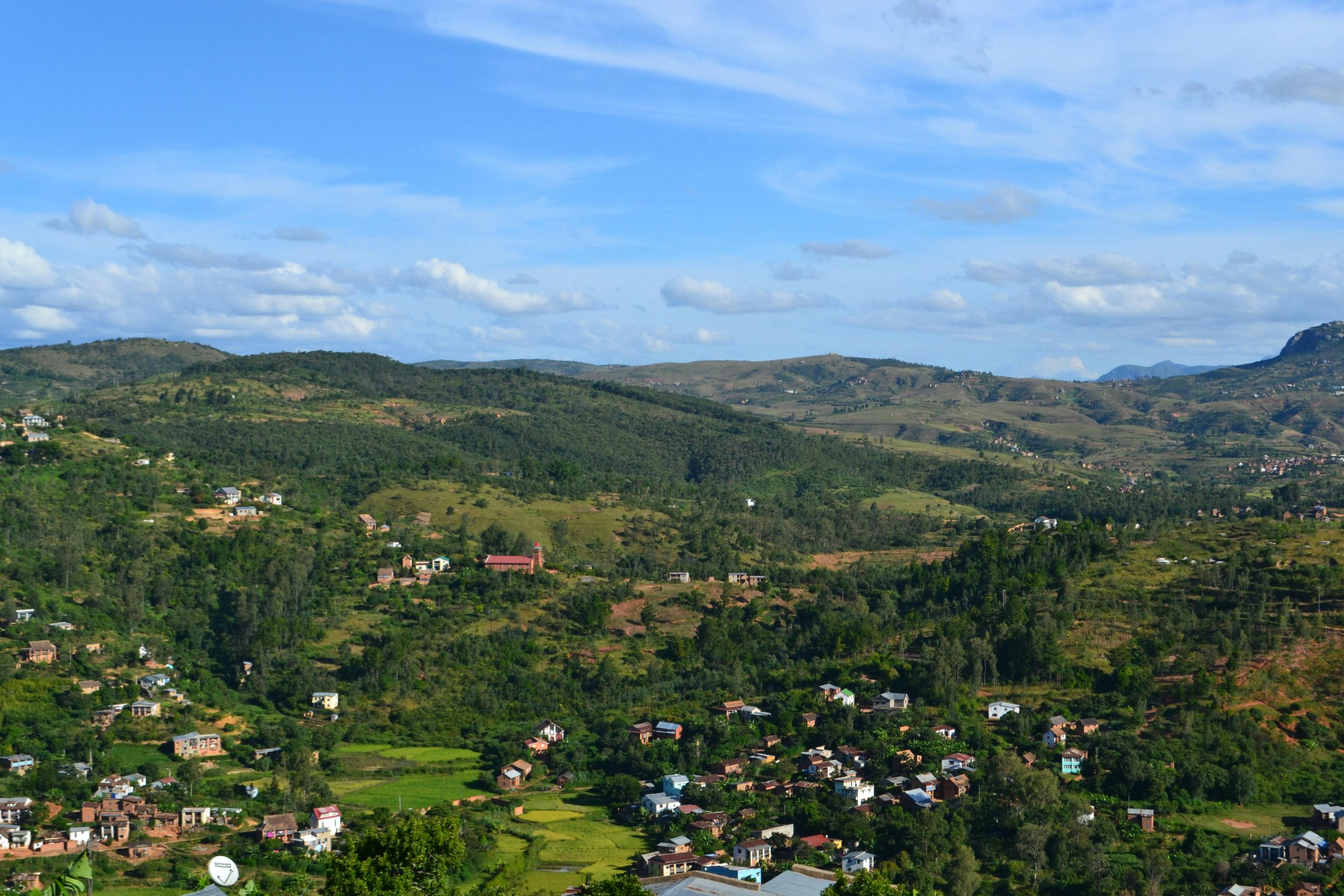
Madagascar is one of the top destinations in the world for nature-based tourism and ecotourism. Its national parks and protected areas offer unforgettable experiences, from rainforest walks and wildlife observation to trekking through dramatic landscapes and exploring remote coastal areas.
Unlike many overcrowded destinations, Madagascar still offers space, silence, and authenticity. Visitors can enjoy meaningful experiences guided by local experts, often in small groups, with a strong focus on conservation and community involvement.
Why Choose Madagascar?
- Nearly 90% of wildlife and plant species are endemic to the island
- Unique blend of Southeast Asian and African cultural heritage
- Diverse landscapes from rainforests to pristine beaches
- Authentic cultural experiences with warm, hospitable people
- Leading producer of natural vanilla, cloves, and exotic spices
- Exceptional ecotourism opportunities in protected national parks
- Untouched natural beauty away from mass tourism
- Rich traditions and living ancestral customs
Safari Tour Madagascar: Your Gateway to an Authentic Experience
Safari Tour Madagascar is here to help you experience the true essence of Madagascar. Through local expertise, personalized journeys, and meaningful encounters, Safari Tour Madagascar offers a unique way to discover the island. The goal is not only to visit Madagascar but to understand it, feel it, and connect with its people and landscapes.
With Safari Tour Madagascar, your journey becomes more than a trip. It becomes a genuine experience of Madagascar, rich in discovery, culture, and unforgettable moments.
Start Your JourneyPlan Your
Madagascar Journey
Fill in a few details and we’ll get back to you within 24 hours.
Your request goes directly to contact@safaritoursmadagascar.com
Request Received!
Thank you for reaching out.
Our team will reply within 24 hours with a personalised itinerary.