
Understanding Madagascar’s Fady: Traditions and Taboos Travelers Should Know
Introduction
Fady are traditional taboos and prohibitions that vary widely across Madagascar. Rooted in religion, ancestry and local history, fady guide behavior, protect sacred places and preserve social harmony. For travelers, understanding fady is less about fear and more about showing respect. This article explains the concept, offers clear examples and gives practical advice so your visit is both enriching and considerate.
What Are Fady?
Fady are customary prohibitions tied to land, family, ancestors and community identity. They can forbid certain foods, actions, times or locations. Some fady are ancient and shared across regions, while others are specific to a single village or family lineage. Observing fady is a way for Malagasy people to honor ancestors, protect resources and maintain social order.
Regional Differences and Local Variation
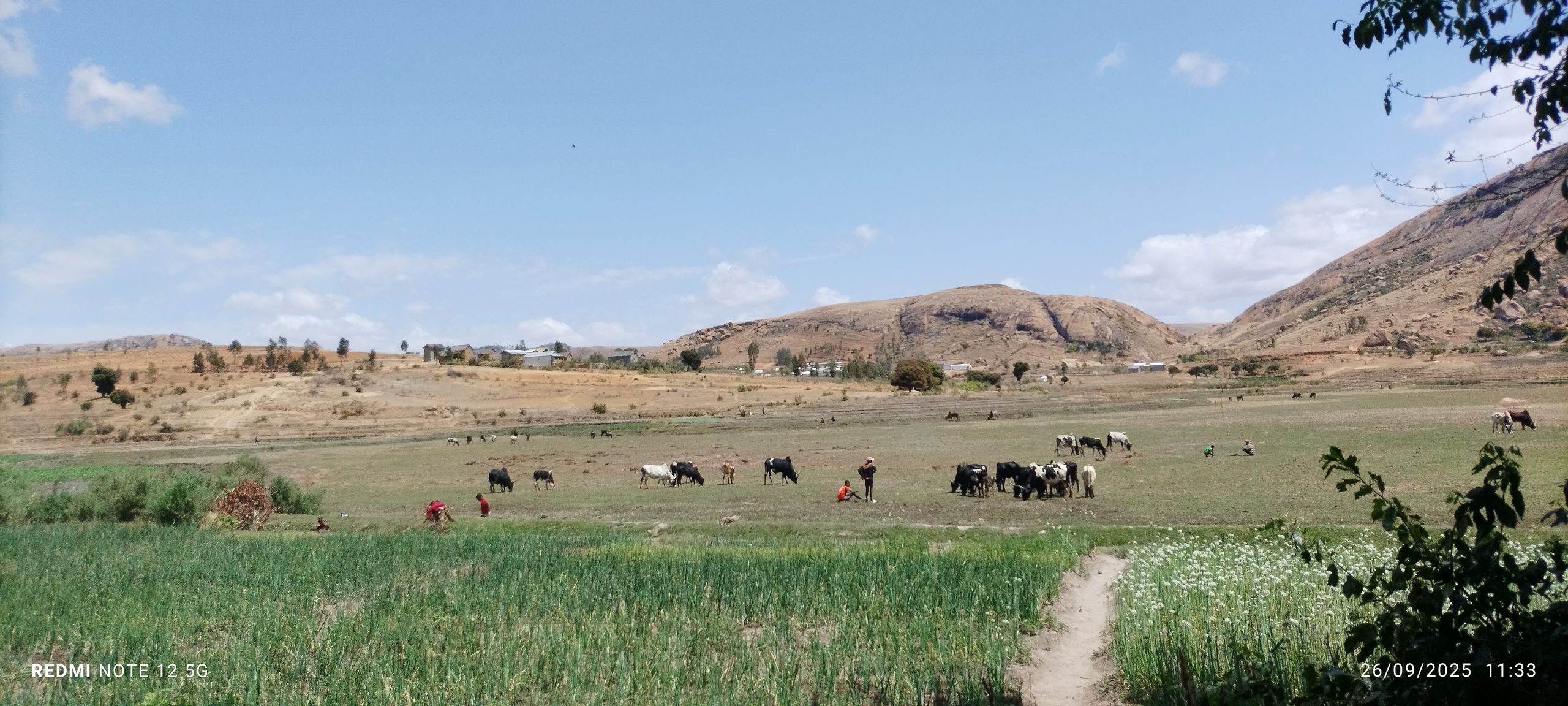
Madagascar’s cultural diversity means fady differ by region. A practice accepted in one province may be forbidden in another. Coastal fishing communities may uphold different taboos than highland rice-farming villages. Before entering a village, it is helpful to ask a local host or guide about any specific restrictions. A simple question shows respect and often leads to meaningful conversation.
Common Examples of Fady
Some fady are widely known, such as restrictions around sacred forests or the prohibition of cutting certain trees. In some areas it is taboo to eat particular animals, to enter a tomb at certain times or to wear shoes inside a sacred enclosure. In other places, fady may relate to everyday gestures, like avoiding the use of a particular fishing route during a seasonal ceremony. These examples are not exhaustive; they illustrate the variety and depth of Malagasy customary law.
Famadihana: Funerary Rites and Respect for Ancestors
Famadihana, the turning of the bones, is a well-known ceremony among some highland communities. It is a joyful re-wrapping of ancestral remains and a time of family reunion. Observing famadihana as a visitor requires sensitivity: ask permission before attending, follow the lead of hosts and avoid interrupting private moments. Respect for ancestors is central to many fady, and family leaders determine appropriate behavior during rituals.
How Fady Affect Daily Life
Fady shape how people farm, fish, build and interact with the landscape. They can determine where houses are placed, which trees are preserved and how communal resources are managed. Observing a village’s fady is a way to participate in a living cultural system. Travelers who learn about these customs gain a deeper appreciation for local priorities and conservation practices.
Practical Advice: How to Be Respectful
Before photographing people or sacred objects, ask for permission. Accept or decline invitations politely, and follow the lead of your hosts during ceremonies. Dress modestly when entering a village or sacred site and remove shoes if requested. If a local mentions a fady you do not understand, listen attentively and ask gentle questions—people are often pleased to explain their traditions.
Photography and Permission
Photographing daily life is tempting, but for many Malagasy a photo is intimate or sensitive. Request consent before taking portraits, particularly of elders, ceremonies or inside homes. A polite request and a small exchange—such as showing a photo afterward or offering a small thank-you—go a long way toward building trust.
Food, Hospitality and Local Etiquette
Hospitality is warm across Madagascar, and being invited to share a meal is an honor. Accept food with gratitude and follow local dining customs, such as waiting to be shown where to sit or allowing elders to begin. Some communities have restrictions on certain foods or the order of serving; when in doubt, observe and mirror your hosts’ behavior.
Sacred Sites, Forests and Natural Resources
Many fady protect sacred forests, springs or unique trees. These sites are often central to community identity and biodiversity. Treat them with care: avoid taking wood, do not remove stones or plants, and follow paths or guidance provided by local stewards. Supporting village conservation efforts by hiring local guides helps maintain both culture and nature.
Handling Requests and Avoiding Offense
If a local asks you to observe a fady, accept the request gracefully and adjust your plans. Refusing publicly can embarrass hosts and strain relationships. If you unintentionally break a minor custom, a sincere apology and a willingness to learn usually repair the situation. Local people value humility and curiosity more than perfection.
Tips for Travelers
Learn a few Malagasy phrases to show respect and openness. Arrange visits to villages through trusted local guides who can explain customs beforehand. Buy crafts directly from artisans to support livelihoods and ask about appropriate gifts if you wish to thank a host. Travel slowly, listen more than speak and treat every interaction as a chance to learn.
Conclusion
Fady are living expressions of Malagasy identity, linking people to ancestors, place and community. For travelers, understanding fady transforms visits from sightseeing into meaningful cultural exchange. By observing simple courtesies, asking respectfully and supporting local initiatives, you will be welcomed and rewarded with deeper encounters. Madagascar’s traditions are part of its riches; honoring them enriches your journey.
Madagascar awaits
You might also like these tours