
Discovering the Sakalava People of Nosy Be
Culture, Beliefs and Traditions of Nosy Be
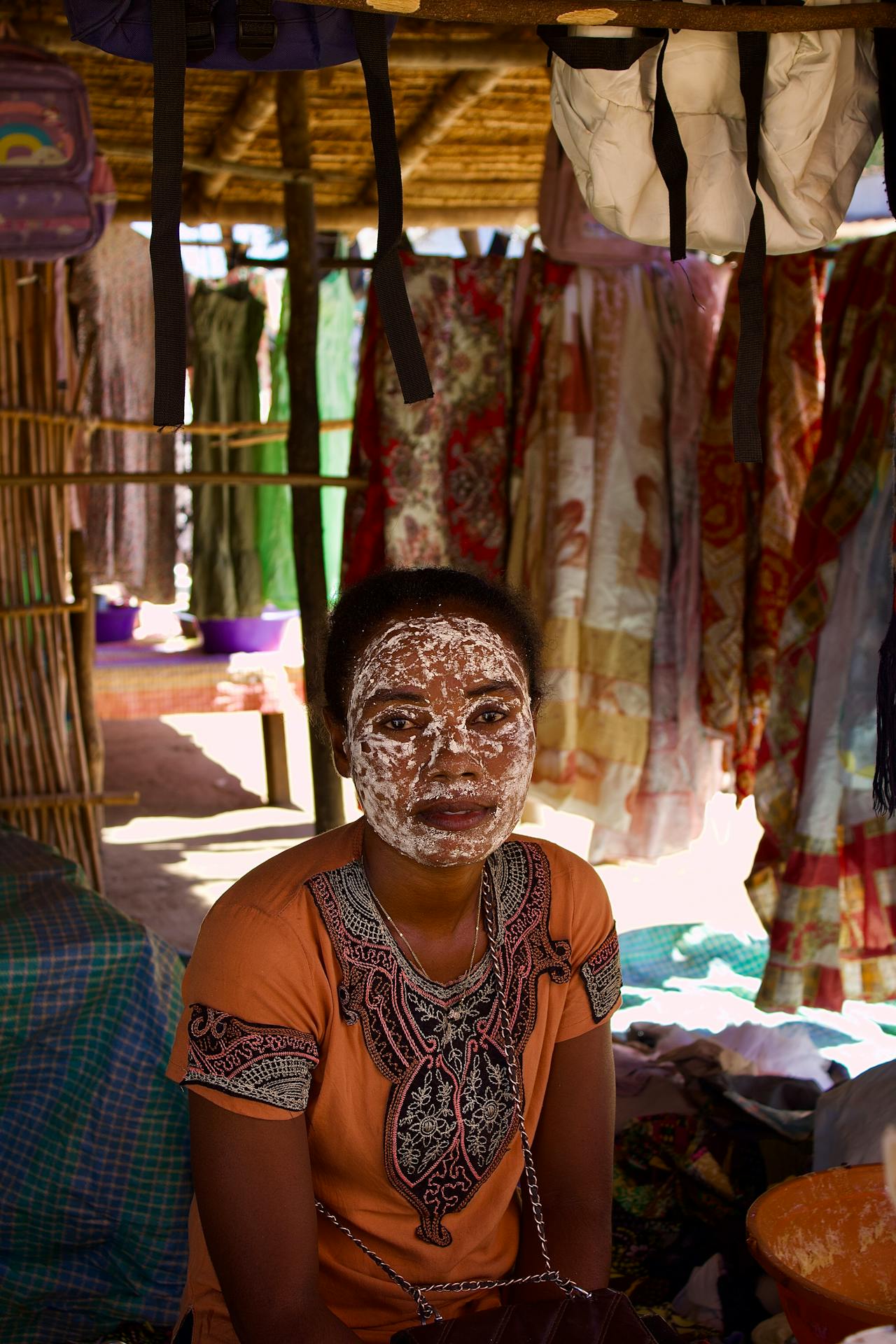
The Sakalava people are one of the main ethnic groups living along the west coast of Madagascar, including the island of Nosy Be. Historically, they established a powerful kingdom between the 17th and 18th centuries, extending their influence across much of the island.
The name “Sakalava” means “people of the long valleys”, reflecting their deep connection to nature, rivers and fertile lands.
Today, the Sakalava maintain a strong cultural identity. Their daily life is shaped by spirituality, traditional music, ceremonial dances and craftsmanship, all of which reveal the richness of their history and ancestral heritage.
Sakalava Beliefs and Sacred Rituals
Spirituality plays a central role in Sakalava culture. Ancestor worship is fundamental: ancestors are believed to remain present as protective spirits who continue to influence the lives of the living.
Famadihana – The Turning of the Dead
This symbolic ceremony involves exhuming the deceased, wrapping them in new burial shrouds and honoring them with music and dance. Although more common in the central highlands, the ritual also exists in some Sakalava communities.
Tromba – Spirit Possession
In Nosy Be, tromba is one of the most important rituals. During this ceremony, the spirit of an ancestor temporarily possesses a medium in order to communicate with the living. Tromba rituals are deeply respected, highly codified and remain a powerful expression of Sakalava spirituality.
Fady: Cultural Taboos
Fady are traditional taboos that govern everyday life. They vary according to region, clan or family, and breaking them is considered a serious offense that may bring misfortune or anger the ancestors.
Examples of fady in Nosy Be include:
- Never pointing at a royal tomb
- Avoiding certain foods during specific periods
- Refraining from saying particular words in sacred places
For visitors, respecting these customs is essential. Local guides play a key role in explaining these traditions to ensure a respectful and meaningful travel experience.
Music and Dance in Sakalava Culture
The Sakalava are renowned for their strong sense of rhythm and festive traditional dances. Music and dance reinforce community bonds and serve as tributes to the ancestors.
Popular musical styles include:
- Salegy, fast-paced and energetic
- Kilalaky, danced in groups with dynamic movements
- Baoejy, more ceremonial and spiritual
Traditional instruments such as the kabosy (a small Malagasy guitar) and the valiha (a bamboo string instrument) are central to ceremonies and celebrations.
Sakalava Handicrafts: A Living Heritage
Handicrafts occupy an important place in Sakalava culture and reflect ancestral know-how passed down through generations.
Men often specialize in wood carving, particularly funeral posts decorated with symbolic motifs that tell stories and mark the transition between the world of the living and the spirits.
Women are especially skilled in:
- Traditional basket weaving
- Textile embroidery
- Making jewelry from shells or coral
These handmade objects are highly valued by visitors seeking authentic souvenirs from Nosy Be.
Sakalava Cuisine: The Flavors of Nosy Be
Sakalava cuisine is simple, natural and flavorful, based on fresh local ingredients such as rice, fish, seafood and vegetables.
Typical dishes include:
- Romazava: a meat stew with leafy greens and spices
- Varanga: shredded zebu meat served with rice
- Fish in coconut sauce, rich and creamy
- Mokary: sweet rice fritters often eaten for breakfast
Local drinks include toaka gasy, a traditional homemade rum, as well as freshly pressed tropical fruit juices.
A Living and Fascinating Culture
Through its beliefs, arts and gastronomy, Sakalava culture makes Nosy Be a truly unique destination. Taking the time to understand these traditions allows travelers to experience more than just a tropical island—it offers a genuine immersion into the soul of Madagascar.
By respecting local customs and embracing cultural differences, visitors leave with authentic experiences, unforgettable memories and a deeper personal connection to the island and its people.
Madagascar awaits
You might also like these tours