
The Ultimate Guide to Using Taxi-Brousse in Madagascar (Prices, Safety, Tips)
Prices, Safety Tips and Practical Advice
Traveling across Madagascar is an adventure in itself, and few experiences are as authentic as taking a taxi-brousse. These shared minibuses connect cities, towns and remote villages, offering travelers a direct window into everyday Malagasy life.
This comprehensive guide explains what a taxi-brousse is, how it works, realistic prices, safety advice and practical tips to help you travel confidently, respectfully and with unforgettable memories.
Introduction: Traveling Like a Local in Madagascar
Madagascar is vast, diverse and often unpredictable. While domestic flights and private cars exist, the taxi-brousse remains the backbone of national transport. Used daily by locals, it is the most affordable and widespread way to explore the island.
Taking a taxi-brousse requires patience and curiosity, but the reward is immense: conversations with locals, changing landscapes and a deeper understanding of Malagasy culture.
What Is a Taxi-Brousse?
A taxi-brousse, literally meaning “bush taxi”, is a shared long-distance minibus or van. It operates on fixed routes between cities and villages and departs once full.
There are two main types:
- Intercity taxi-brousse, connecting major towns
- Rural taxi-brousse, serving smaller villages and remote areas
More than simple transportation, the taxi-brousse is a social experience, where people share stories, food and long hours on the road.
Where to Take a Taxi-Brousse
Each city has one or more bus stations known as gares routières.
In Antananarivo, the main departure points are:
- Fasan’ny Karana – southern routes
- Ambodivona – eastern routes
- Andohatapenaka – western and northern routes
If you are unsure which station to use, ask your hotel staff or a nearby shopkeeper—locals are generally happy to help.
Taxi-Brousse Prices: What to Expect
Taxi-brousse travel is extremely budget-friendly, even for long distances. Prices vary depending on distance, season, road conditions and vehicle type.
Representative One-Way Fares (Approximate)
- Antananarivo → Antsirabe: €3–4
- Antananarivo → Fianarantsoa: €7–9
- Antananarivo → Toamasina (Tamatave): €6–8
- Antananarivo → Morondava: €11–14
- Antananarivo → Mahajanga: €11–15
- Antananarivo → Tulear (Toliara): €17–20
Important notes:
- Prices may increase slightly during high season
- “VIP” vehicles cost more but offer better comfort
- Large luggage or roof storage may involve a small extra fee
How to Buy a Taxi-Brousse Ticket
Most tickets are purchased directly at the station. Arrive one to two hours before departure, especially for popular routes.
Other options include:
- Buying through your hotel or a local tour agency
- Limited online booking for certain routes (still uncommon)
Payment is usually in cash, so carry small bills.
Typical Travel Times
Journey durations depend heavily on road conditions, weather and traffic.
As a general guide:
- Antananarivo → Antsirabe: 3–4 hours
- Antananarivo → Toamasina: 6–7 hours
- Antananarivo → Fianarantsoa: 8–10 hours
- Long-distance routes (Morondava, Tulear): 12–24 hours
Expect stops for meals, fuel and restrooms, and allow extra time for delays.
Is Taxi-Brousse Safe?
Overall, taxi-brousse travel is considered safe when basic precautions are taken.
Safety Tips
- Choose reputable companies when possible
- Avoid very late-night departures on remote routes
- Keep valuables close and bags locked
- Secure roof luggage properly
- Follow driver and station staff instructions
Malagasy people rely on taxi-brousse every day, and with awareness and preparation, most trips are smooth and uneventful.
What to Expect Onboard
Inside a taxi-brousse, expect:
- Close seating and a lively atmosphere
- Friendly conversations and shared snacks
- Regular stops for food and rest
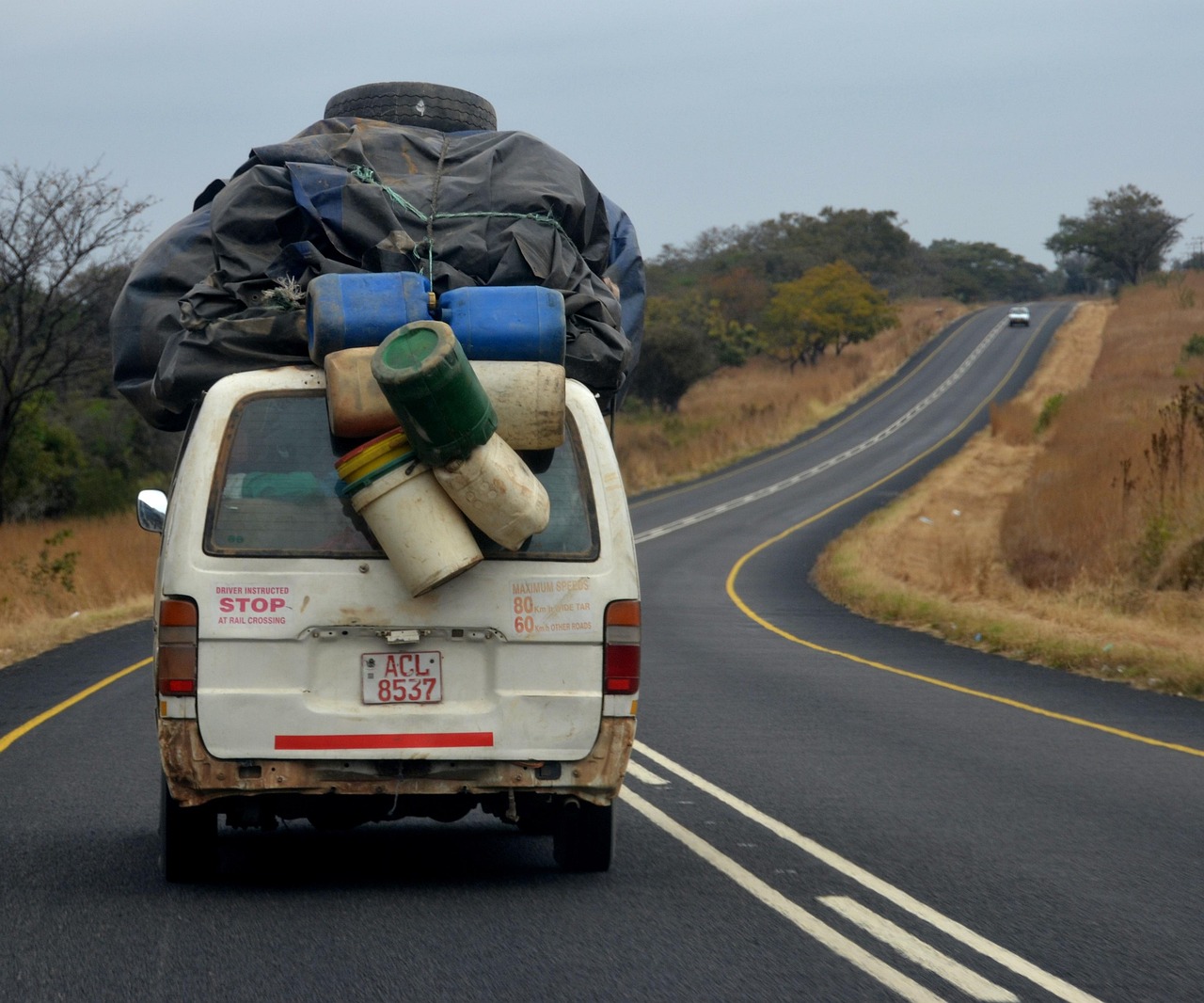
- Luggage loaded on the roof with staff assistance
Comfort is basic, but the experience is genuine and memorable.
Essential Tips for a Smooth Journey
- Bring water and snacks, especially on rural routes
- Wear layers; nights can be cool in the highlands
- Carry small cash for stops and fees
- Travel early in the day for safety and scenery
- Stay flexible—delays are part of the adventure
Patience and openness will transform minor inconveniences into meaningful moments.
Alternatives to Taxi-Brousse
If you prefer faster or more comfortable travel, alternatives include:
- Private car with driver
- Domestic flights
- VIP shuttle services on major routes
These options are more expensive but convenient. However, none offer the same cultural immersion as a taxi-brousse.
Conclusion: An Authentic Way to Discover Madagascar
Taking a taxi-brousse in Madagascar is more than transportation—it is a human, cultural and deeply authentic experience. You will save money, meet locals, witness stunning landscapes and return with stories few travelers can tell.
With thoughtful planning and respectful behavior, taxi-brousse travel becomes one of the most rewarding parts of any Malagasy journey.
Madagascar awaits
You might also like these tours