
Mora Mora Madagascar – Understanding the True Malagasy Way of Life
Anyone who travels to Madagascar will quickly hear one expression repeated everywhere:
“Mora Mora.”
At first, many visitors think it simply means “slowly” or “take it easy.” But for Malagasy people, Mora Mora is much more than a phrase. It represents a philosophy of life, a cultural identity, and a unique way of experiencing the world.
In a modern society often dominated by stress, speed, and constant pressure, Mora Mora reflects a different rhythm — one centered around patience, balance, human connection, and appreciation of the present moment.
Understanding Mora Mora helps travelers better understand Madagascar itself.
What Does Mora Mora Mean?
In the Malagasy language, “Mora Mora” literally translates to:
- slowly
- gently
- softly
- without rushing
However, its cultural meaning goes much deeper.
Mora Mora is not laziness or lack of organization, as some visitors mistakenly assume. Instead, it reflects a mindset that values calmness, resilience, respect, and emotional balance.
For Malagasy people, life should not always be rushed. Human relationships, family, community, and well-being matter more than constant urgency.
Mora Mora Is a Way of Life
Across Madagascar, Mora Mora influences daily life in many ways.
You can see it in:
- conversations between neighbors
- family gatherings
- local markets
- transportation rhythms
- traditional ceremonies
- village life
- hospitality toward guests
People often take time to speak, listen, share stories, and connect with one another.
In many regions of the world, speed is associated with productivity and success. In Madagascar, Mora Mora reminds people that life also deserves patience and humanity.
The Cultural Importance of Mora Mora
Madagascar has a deeply community-oriented culture.
Respect for elders, family ties, and social harmony are extremely important in Malagasy society. Mora Mora helps maintain this balance by encouraging people to avoid unnecessary conflict, stress, or aggression.
This philosophy also reflects the island’s historical connection with nature and traditional village life.
For centuries, Malagasy communities lived according to natural cycles:
- seasons
- agriculture
- weather
- community rituals
- ancestral traditions
Life followed a slower and more organic rhythm than modern industrial societies.
Even today, Mora Mora remains part of the national identity.
Why Travelers Love the Mora Mora Lifestyle
Many international visitors initially struggle to adapt to the slower pace of Madagascar.
Flights may change unexpectedly. Roads can be long and difficult. Services sometimes take more time than expected.
But after a few days, many travelers begin to appreciate the beauty of Mora Mora.
It allows people to:
- disconnect from stress
- enjoy the present moment
- appreciate human interactions
- travel more mindfully
- experience authentic local culture
Instead of constantly checking schedules and rushing between activities, travelers learn to slow down and truly experience Madagascar.
For many tourists, Mora Mora becomes one of the most memorable aspects of their journey.
Mora Mora and Malagasy Hospitality
One of the most beautiful expressions of Mora Mora can be found in Malagasy hospitality.
Visitors are often welcomed warmly into homes, villages, restaurants, and communities with genuine kindness.
Sharing food, conversations, and stories is considered important.
Unlike highly commercial tourism environments, interactions in Madagascar often feel more personal and authentic.
The Mora Mora spirit encourages openness, patience, and sincere human connection.
Mora Mora Is Not Laziness
One of the biggest misunderstandings about Mora Mora is the idea that it means people are lazy or unproductive.
This stereotype is inaccurate and unfair.
Malagasy people work extremely hard, especially in agriculture, fishing, handicrafts, transportation, and tourism. Daily life in Madagascar can be physically demanding.
Mora Mora simply means approaching life with calmness and flexibility rather than constant pressure.
It reflects emotional intelligence and adaptation rather than inefficiency.
Mora Mora in Madagascar Tourism
The tourism industry in Madagascar increasingly embraces Mora Mora as part of the country’s identity.
Travelers seeking:
- authentic experiences
- eco-tourism
- slow travel
- cultural immersion
- nature exploration
- digital detox journeys
often find Madagascar especially attractive because of its relaxed atmosphere.
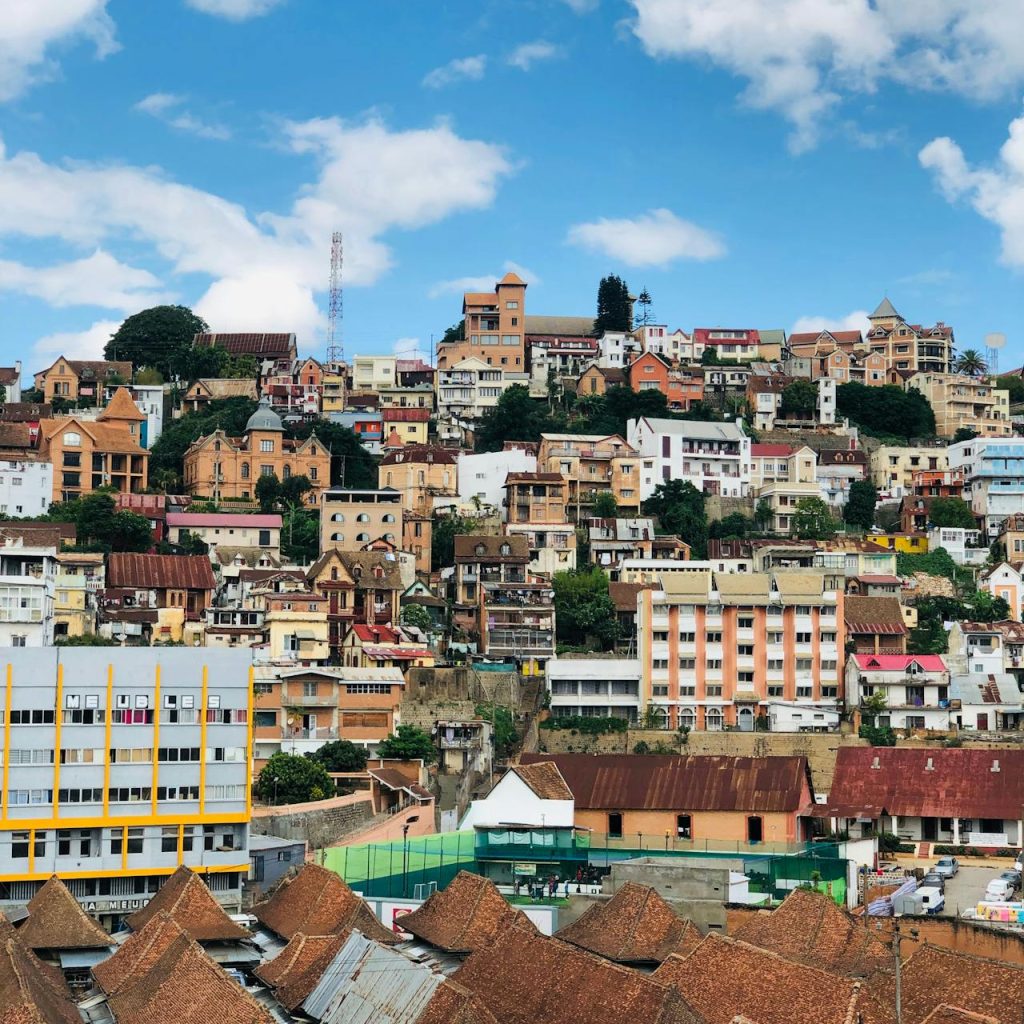
From the beaches of Nosy Be to the highlands near Antananarivo, Mora Mora shapes the travel experience.
Visitors are encouraged to:
- slow down
- stay longer
- explore deeper
- connect with local communities
- appreciate simplicity
This creates a very different experience compared to fast-paced mass tourism destinations.
Mora Mora and Mental Well-Being
In recent years, many people around the world have become interested in slower lifestyles and mental well-being.
Interestingly, Malagasy culture has embraced these values naturally for generations.
Mora Mora promotes:
- patience
- emotional balance
- reduced stress
- mindfulness
- stronger social relationships
- appreciation of daily life
While Madagascar faces economic challenges, many visitors are surprised by the warmth, resilience, and positivity of the people.
Mora Mora helps preserve this human-centered perspective.
The Connection Between Mora Mora and Nature
Madagascar’s landscapes encourage a slower pace of life.
The island contains:
- tropical forests
- rice terraces
- remote villages
- mountains
- beaches
- baobab landscapes
Nature remains deeply connected to Malagasy identity.
Many rural communities still live according to agricultural rhythms and traditional practices.
Mora Mora reflects this natural harmony.
Travelers hiking through national parks or exploring remote regions quickly understand that Madagascar is not a destination meant to be rushed.
Mora Mora in Daily Malagasy Expressions
The phrase “Mora Mora” is used frequently in daily conversations.
It may mean:
- take your time
- don’t worry
- be patient
- slowly slowly
- relax
- calm down
The tone is usually warm and friendly.
For travelers, hearing “Mora Mora” often becomes a reminder to release stress and enjoy the journey.
Why Mora Mora Attracts Modern Travelers
Modern tourism trends increasingly favor meaningful and authentic travel experiences.
Many travelers today seek:
- cultural authenticity
- slower travel experiences
- local interactions
- eco-conscious tourism
- emotional connection
Madagascar naturally offers these experiences through the Mora Mora lifestyle.
Unlike heavily commercialized destinations, Madagascar still feels raw, authentic, and deeply human.
This uniqueness attracts travelers searching for something more meaningful than traditional tourism.
How to Experience Mora Mora During Your Trip
To truly understand Mora Mora in Madagascar, travelers should try to:
- avoid overloading itineraries
- spend time with locals
- enjoy long conversations
- appreciate unexpected moments
- disconnect from constant urgency
- embrace flexibility
The more visitors slow down, the more Madagascar reveals its true beauty.
Sometimes the most unforgettable experiences happen outside the original travel plan.
Mora Mora and the Future of Sustainable Tourism
As global tourism evolves, many experts believe slow and sustainable travel will become increasingly important.
Madagascar’s Mora Mora philosophy aligns naturally with:
- sustainable tourism
- eco-tourism
- community tourism
- responsible travel
- cultural preservation
This approach encourages visitors to travel with greater respect for people, culture, and nature.
It also helps preserve Madagascar’s unique identity in a rapidly changing world.
Madagascar awaits
You might also like these tours