Madagascar Safari: Discover Endemic Wildlife on the World’s Most Unique Island
Madagascar is one of the last true wildlife frontiers on Earth. Isolated from the African continent for more than 88 million years, the island has evolved into a biodiversity sanctuary where nature follows its own rules. A Madagascar safari is not about mass tourism or crowded game drives. It is about immersion, authenticity, and encountering wildlife that exists nowhere else in the world.
Over 90 percent of Madagascar’s animal species are endemic. This extraordinary level of endemism makes every safari experience rare and deeply meaningful. Lemurs, chameleons, rare birds, amphibians, and unique predators inhabit landscapes ranging from tropical rainforests to dry deciduous forests and dramatic sandstone canyons.
Choosing Madagascar for your safari means choosing a destination that is wild, genuine, and unforgettable.
To plan your safari with experienced local professionals, visit:
https://www.safaritoursmadagascar.com/contact/
Why Choose a Safari in Madagascar
Unlike traditional African safaris that focus primarily on large mammals, Madagascar safaris are centered on biodiversity, exploration, and education. Wildlife encounters take place on foot, accompanied by knowledgeable local guides who understand animal behavior, ecosystems, and seasonal patterns.
A safari in Madagascar offers:
- Exclusive wildlife found nowhere else on Earth
- Protected national parks and reserves
- Small-group or private experiences
- Ethical and conservation-focused tourism
- Diverse ecosystems within a single destination
This is a safari designed for travelers who value depth, authenticity, and respect for nature.
For a personalized itinerary adapted to your travel dates and interests, contact a local specialist:
https://www.safaritoursmadagascar.com/contact/
Lemurs: The Iconic Wildlife of Madagascar
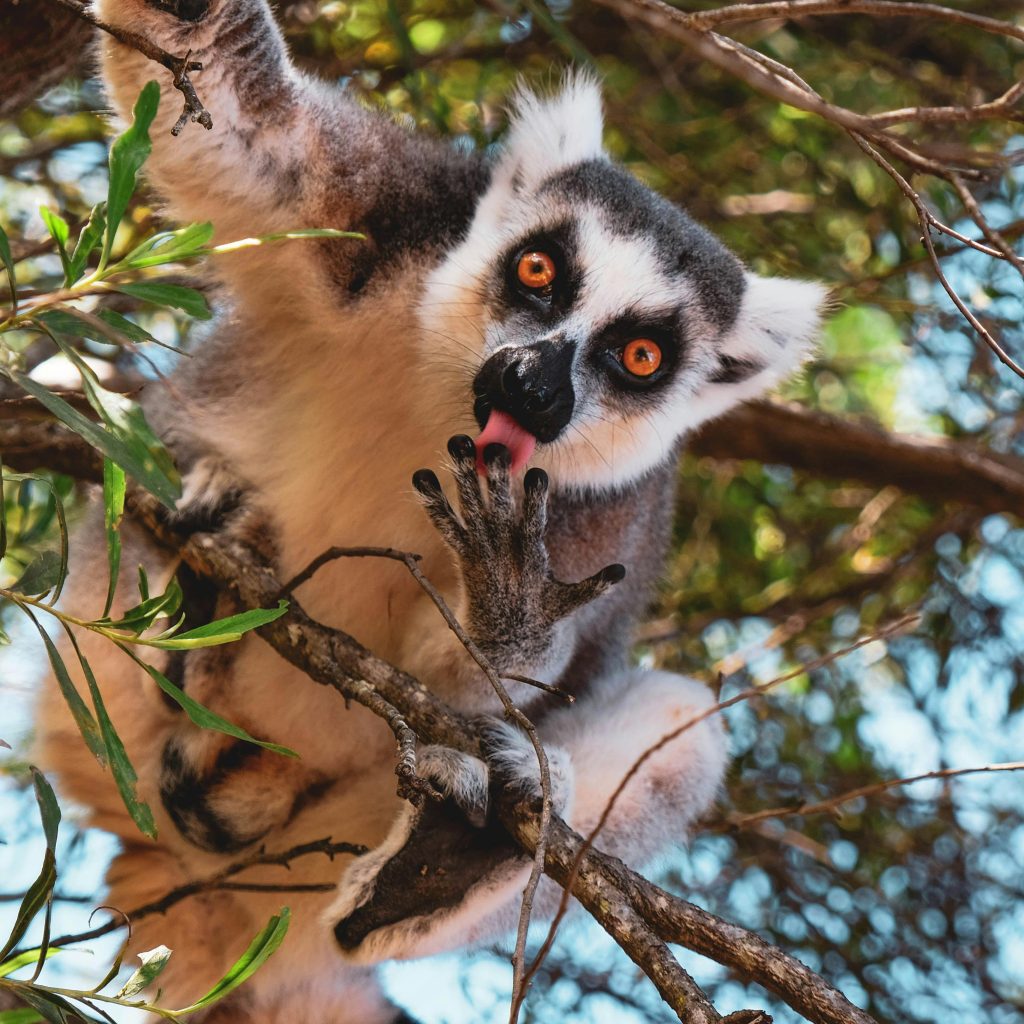
Lemurs are the most emblematic animals of Madagascar and the main reason many travelers choose the island for a safari. These primates evolved independently and play a crucial role in seed dispersal and forest regeneration.
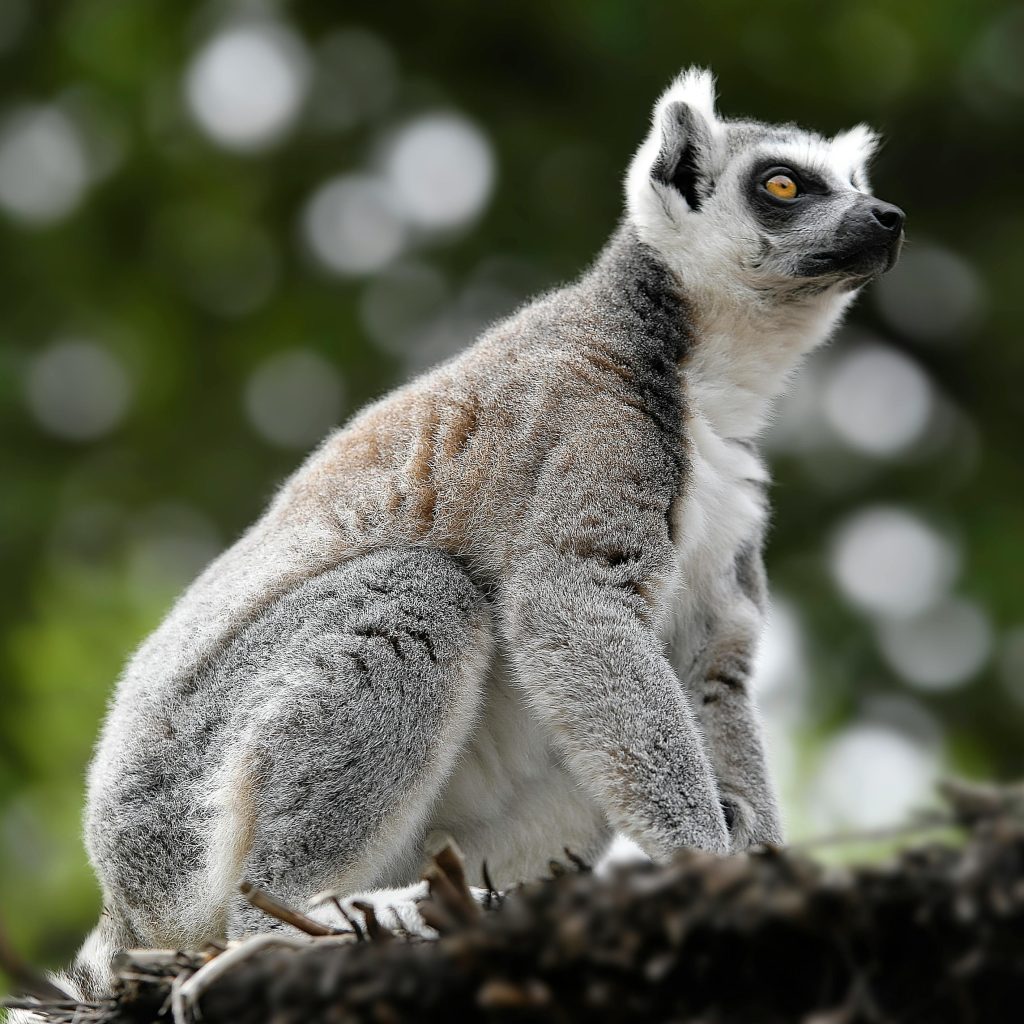
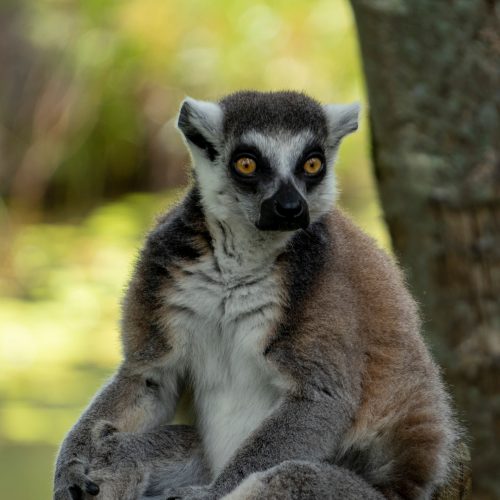
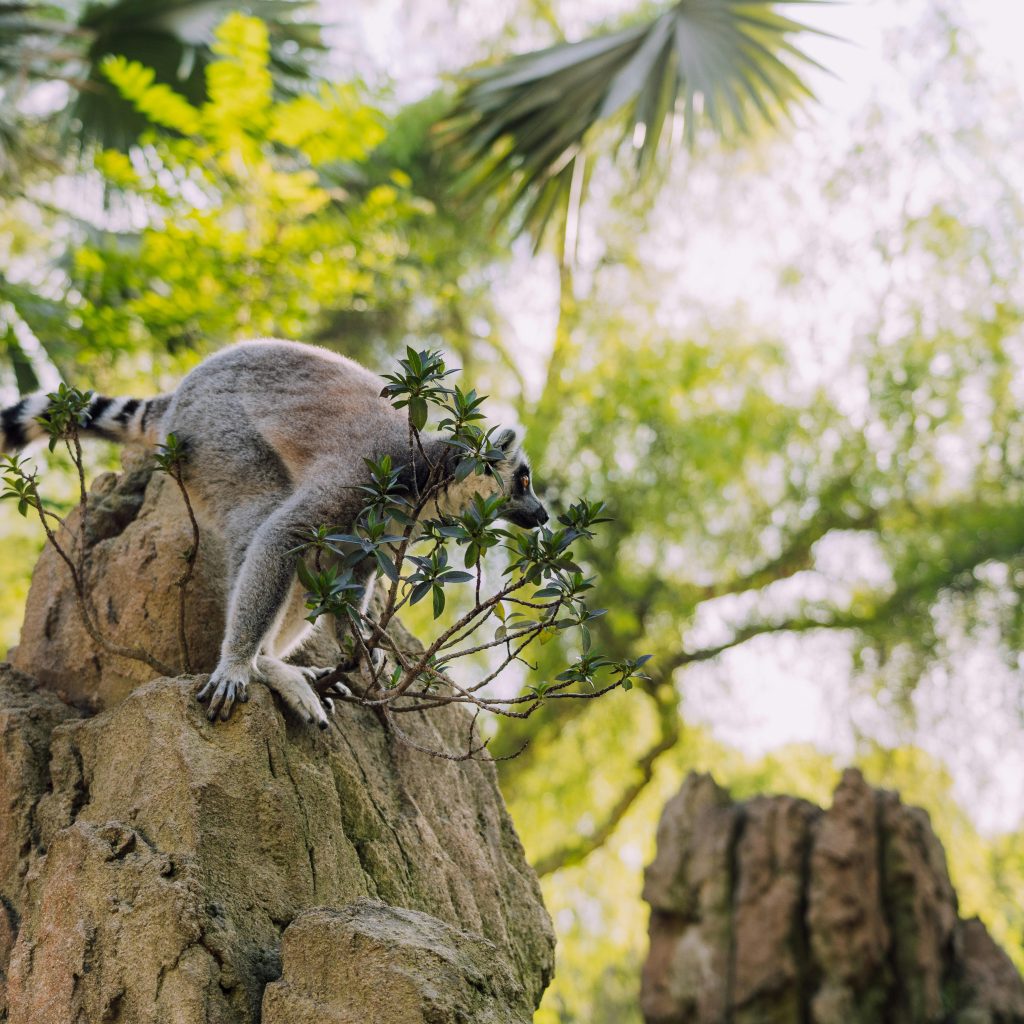
During a well-planned safari, travelers can observe several endemic species, including the Indri indri, famous for its powerful calls, the ring-tailed lemur with its distinctive striped tail, the elegant Verreaux’s sifaka, tiny mouse lemurs active at night, and the elusive aye-aye.
The best regions for lemur observation include Andasibe-Mantadia National Park, Ranomafana National Park, Anja Community Reserve, Isalo National Park, and the dry forests of Kirindy.
Professional planning significantly increases the chances of seeing multiple species in their natural habitat.
Reptiles and Chameleons: A Living Showcase of Evolution
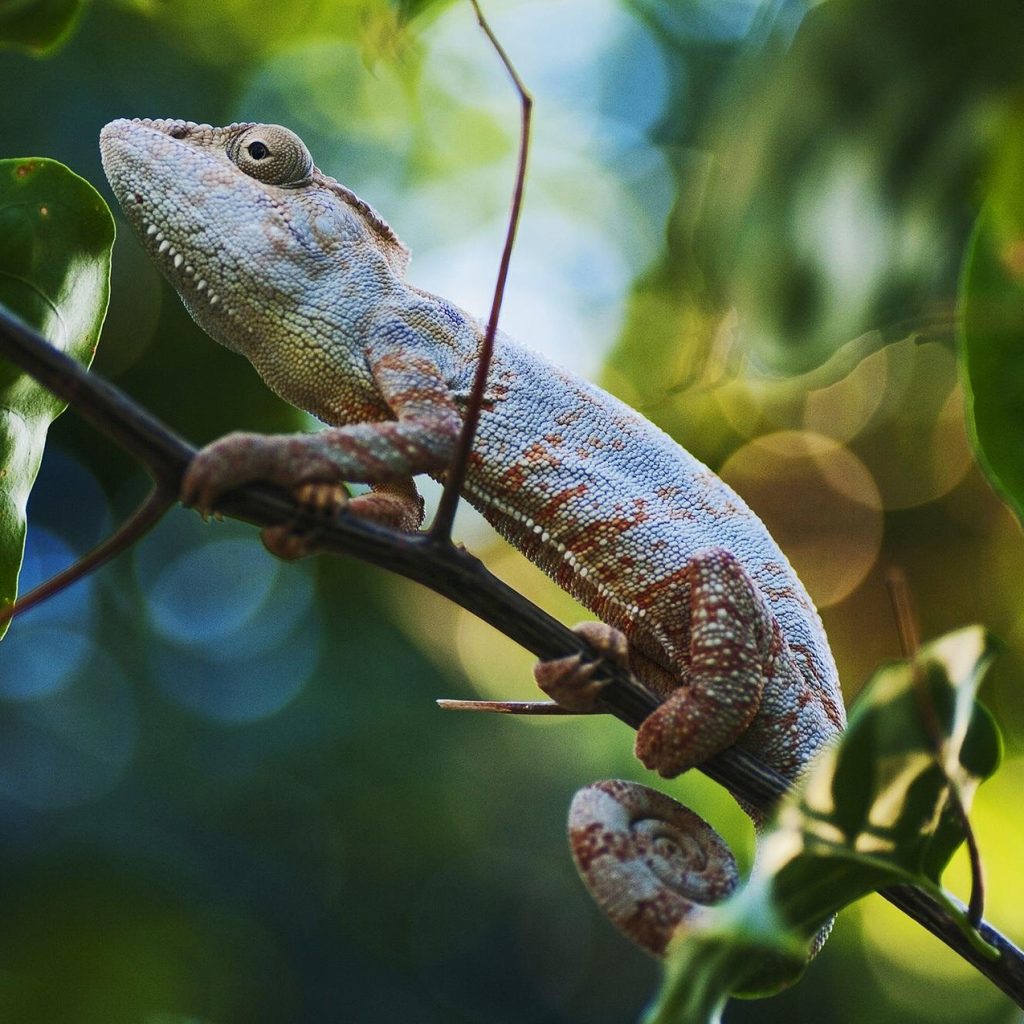
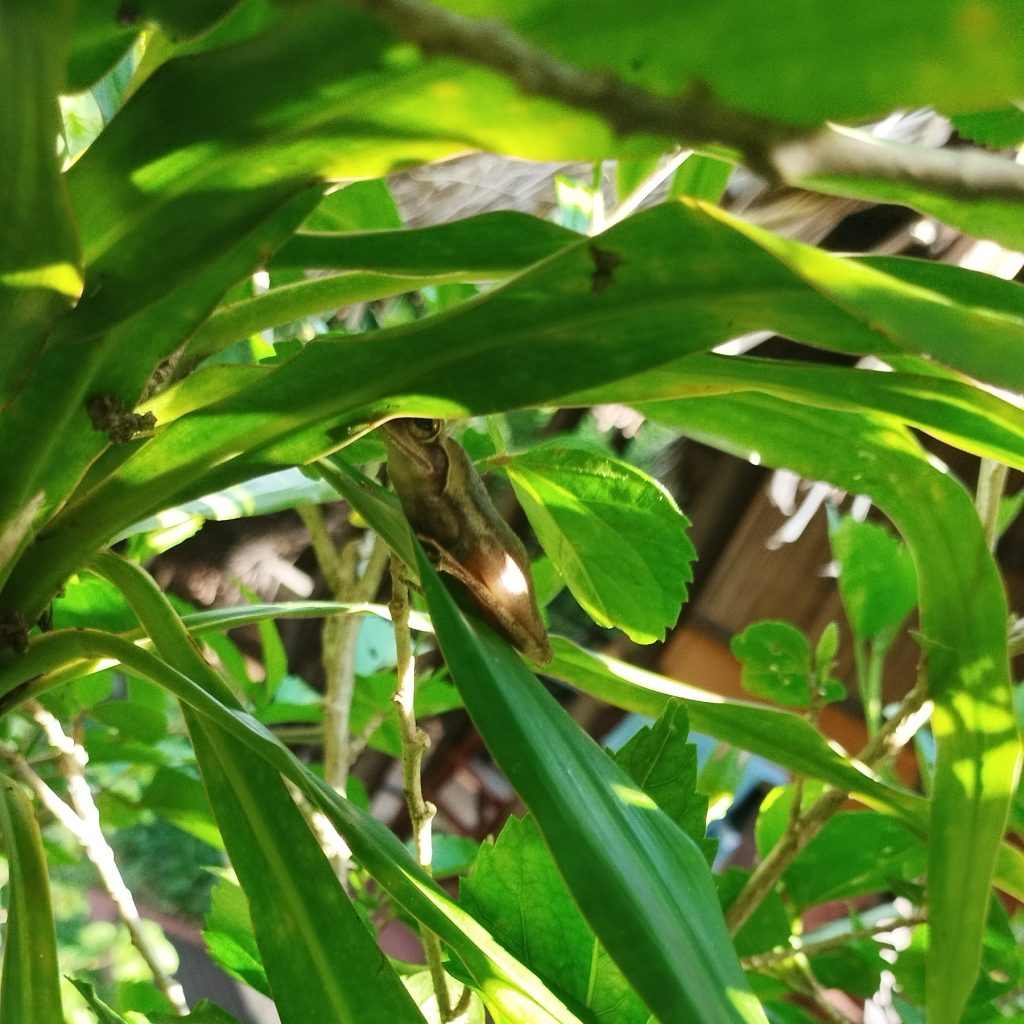
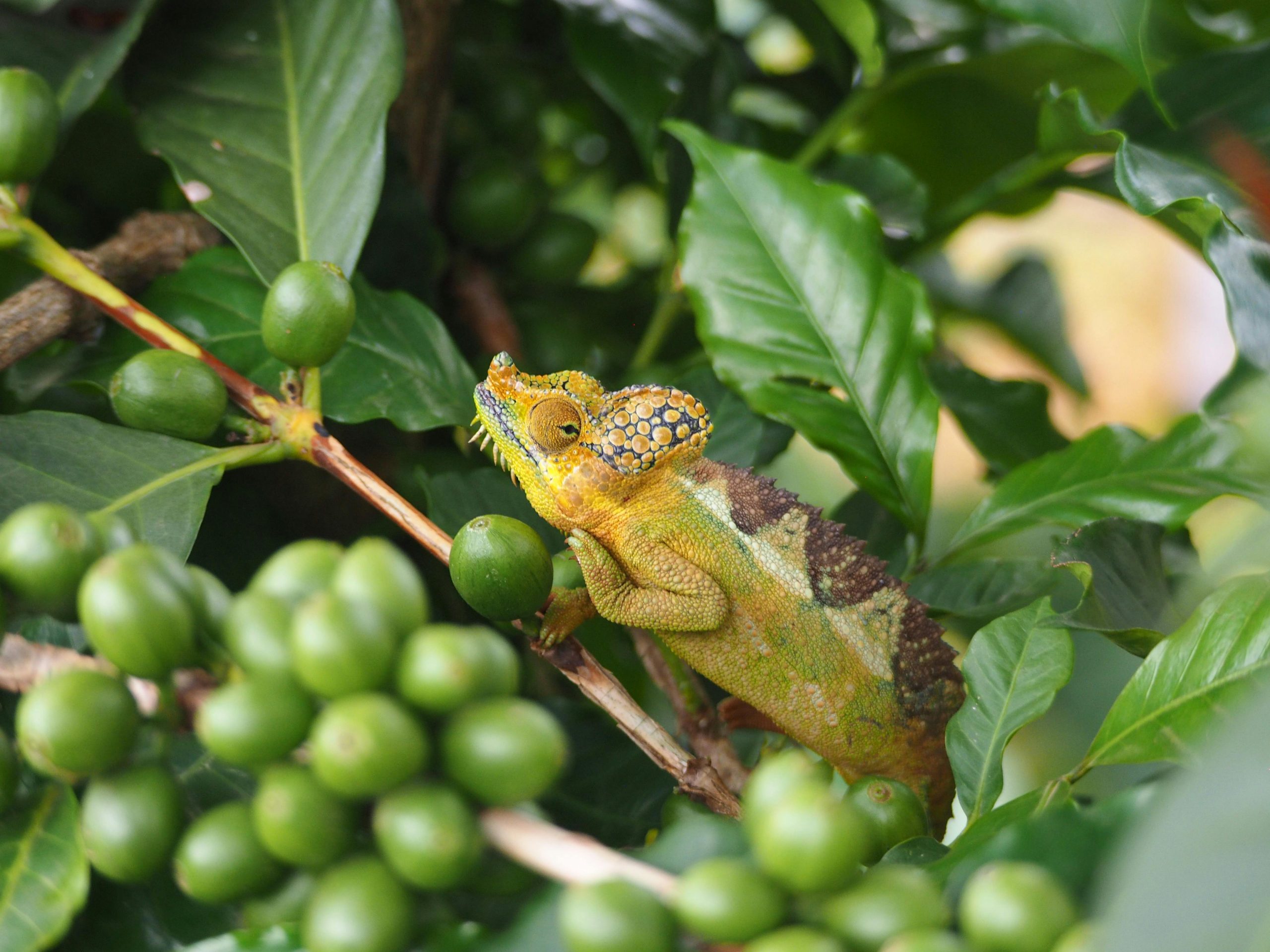
Madagascar is home to the highest diversity of chameleons in the world, with more than half of all known species found on the island. These reptiles are masters of adaptation and camouflage, often blending seamlessly into their environment.
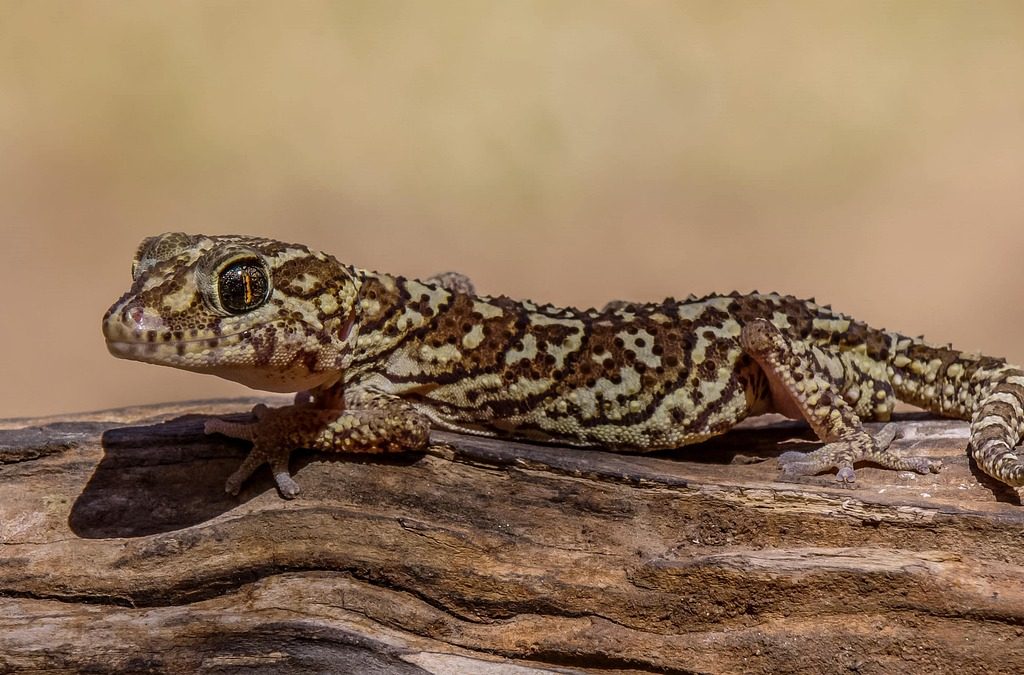
Notable species include the panther chameleon, Parson’s chameleon, leaf-tailed geckos, and endemic non-venomous snakes. Guided night walks are particularly rewarding, as many reptiles are more active after sunset.
These encounters offer a fascinating insight into Madagascar’s evolutionary uniqueness.
Endemic Birds: A Destination for Nature Enthusiasts
Madagascar hosts over one hundred endemic bird species, making it an exceptional destination for birdwatching and nature photography. Forests, wetlands, mangroves, and highlands all support distinct bird populations.
Among the most remarkable species are the blue coua, Madagascar vangas, mesites, and Humblot’s heron. Even travelers without ornithological expertise are often surprised by the variety and accessibility of birdlife during a safari.
The Fossa: Madagascar’s Apex Predator
The fossa is the largest carnivorous mammal in Madagascar and one of its most mysterious animals. Agile, intelligent, and rarely seen, it is primarily found in the dry forests of western Madagascar.
Kirindy Forest is considered the best location to observe this species, particularly during guided excursions. Spotting a fossa in the wild is considered a highlight of any Madagascar safari.
Amphibians: Hidden Treasures of the Rainforest
Madagascar’s rainforests shelter an exceptional diversity of endemic amphibians. Many species display bright colors and unique behaviors linked to the island’s humid ecosystems.
The tomato frog and various mantella species are among the most well-known. These amphibians are especially active during the rainy season and are often encountered in eastern rainforest regions.
The Best National Parks for a Madagascar Safari
Andasibe-Mantadia National Park is ideal for first-time visitors due to its accessibility and high wildlife density. Ranomafana National Park offers a UNESCO-listed rainforest with exceptional biodiversity. Isalo National Park combines wildlife with spectacular landscapes of canyons and rock formations. Kirindy Forest is renowned for night safaris and fossa sightings. Montagne d’Ambre National Park provides a cooler climate with waterfalls, reptiles, and lemurs.
Selecting the right combination of parks is essential for a successful safari and depends on season, travel duration, and personal interests.
To design the most suitable itinerary, consult local experts:
https://www.safaritoursmadagascar.com/contact/
Responsible Safari and Sustainable Tourism
A safari in Madagascar is also an opportunity to support conservation and local communities. Responsible tourism contributes directly to wildlife protection, park management, and employment in rural areas.
By choosing ethical local operators, travelers help preserve Madagascar’s natural heritage while enjoying an authentic experience.
Best Time to Go on Safari in Madagascar
The period from April to November offers the most favorable conditions for safari travel, with drier weather and easier access to national parks. September to November is particularly rewarding for wildlife observation. From December to March, the rainy season affects some regions, though certain parks remain accessible.
Proper planning ensures a successful safari regardless of the season.
Why Book Your Safari with Safari Tours Madagascar
Safari Tours Madagascar offers deep local expertise, certified guides, customized itineraries, and a strong commitment to responsible tourism. Travelers benefit from personalized assistance before, during, and after their journey.
A Madagascar safari requires careful preparation, and working with experienced local professionals ensures a smooth, safe, and rewarding experience.
To start planning your safari, visit:
https://www.safaritoursmadagascar.com/contact/
Plan Your Madagascar Safari Today
A safari in Madagascar is more than a trip. It is a journey into one of the most unique ecosystems on the planet. For travelers seeking rare wildlife, unspoiled nature, and meaningful travel experiences, Madagascar stands apart.
Begin your adventure with trusted local specialists and create a safari that matches your expectations and values.
Madagascar awaits
You might also like these tours