
How to Plan a Private Tour in Madagascar: A Complete Travel Guide
Itinerary, transport, budget and timing: everything to organize your journey with Safari Tours Madagascar.
Planning a private tour in Madagascar is an exciting way to discover one of the world's most extraordinary destinations. From tropical rainforests and unique wildlife to spectacular rock formations, traditional villages and beautiful beaches, the island offers countless opportunities for an unforgettable journey.
However, Madagascar is a large country with diverse landscapes, long road journeys and destinations that require careful planning. Choosing the right itinerary, transportation, accommodation and local guides can make a significant difference. Whether you are planning a wildlife adventure, a family holiday, a romantic escape or a photography trip, this guide explains how to organize a private tour in Madagascar and make the most of your time.
At Safari Tours Madagascar, we design personalized journeys based on your interests, dates, group size and budget. Complete our Madagascar Trip Planner and our local team will help you develop a tailored itinerary.
1. Decide What You Want to Experience in Madagascar
The first step is deciding what matters most to you. Madagascar is famous for its biodiversity, but also offers impressive geological formations, cultural experiences and coastal destinations. Because travel between regions takes considerable time, identifying your priorities helps create a realistic itinerary.
Wildlife and lemur encounters
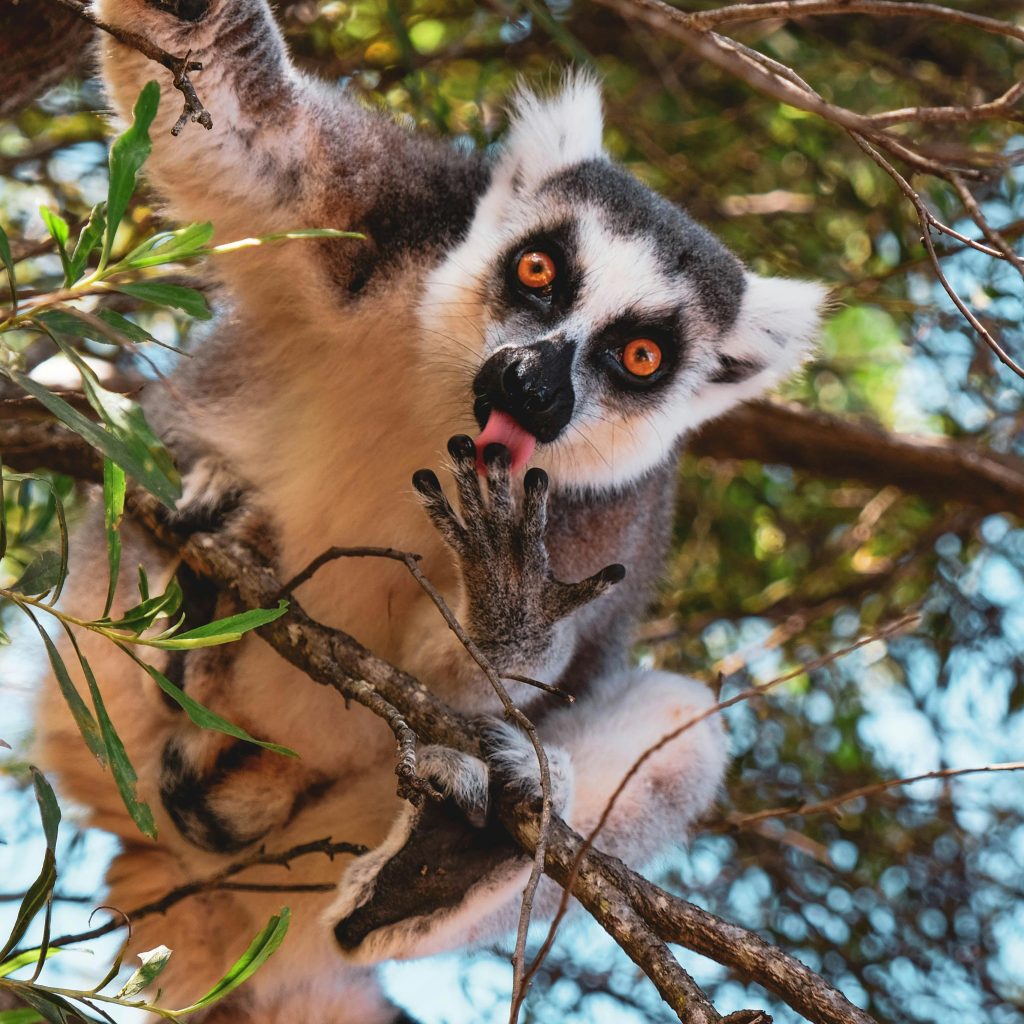
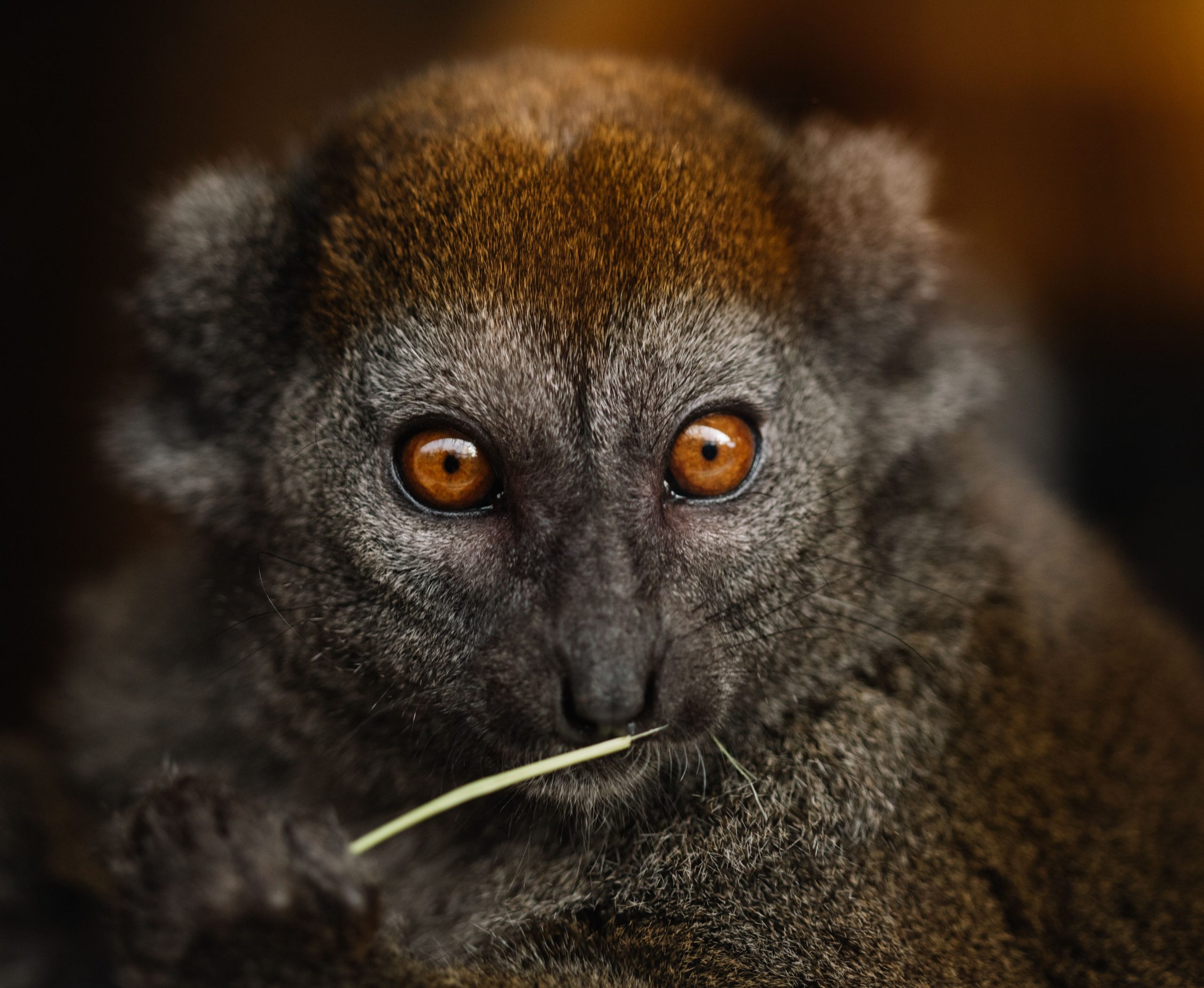
Madagascar is home to lemurs and many other species found nowhere else in the wild. For wildlife, consider:
- Andasibe-Mantadia National Park: rainforest and the indri, the largest living lemur.
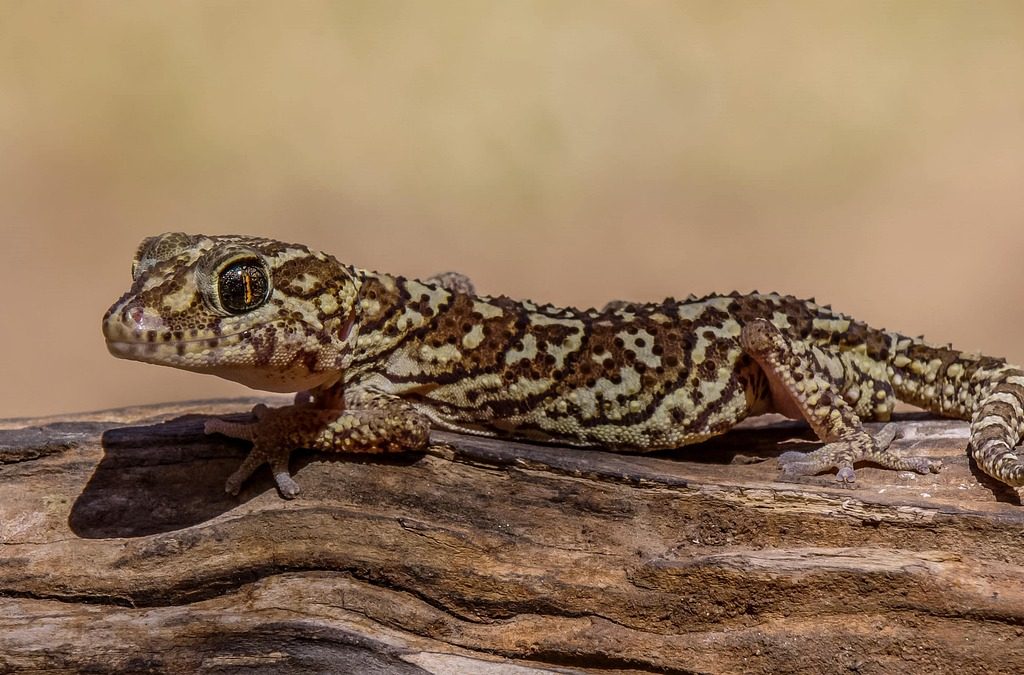
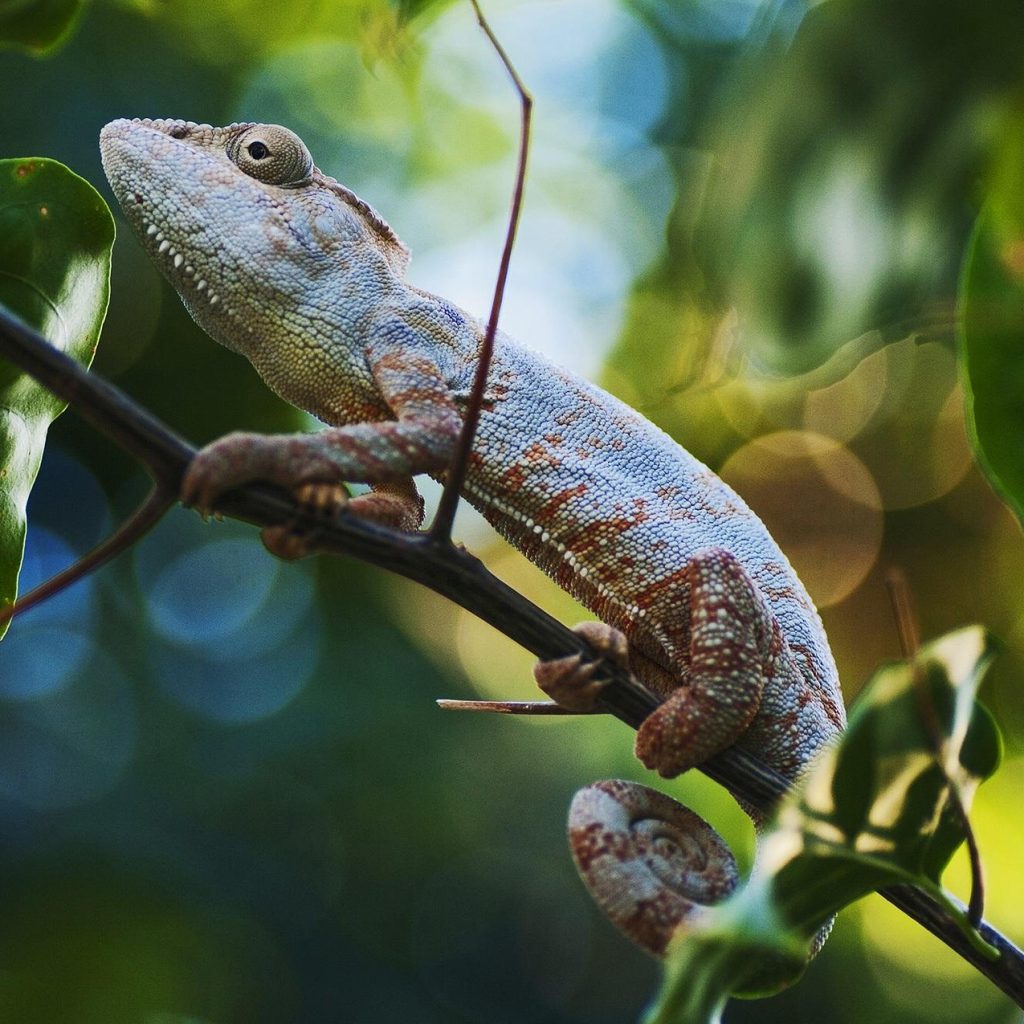
- Ranomafana National Park: rich rainforest with lemurs, reptiles, amphibians and birds.
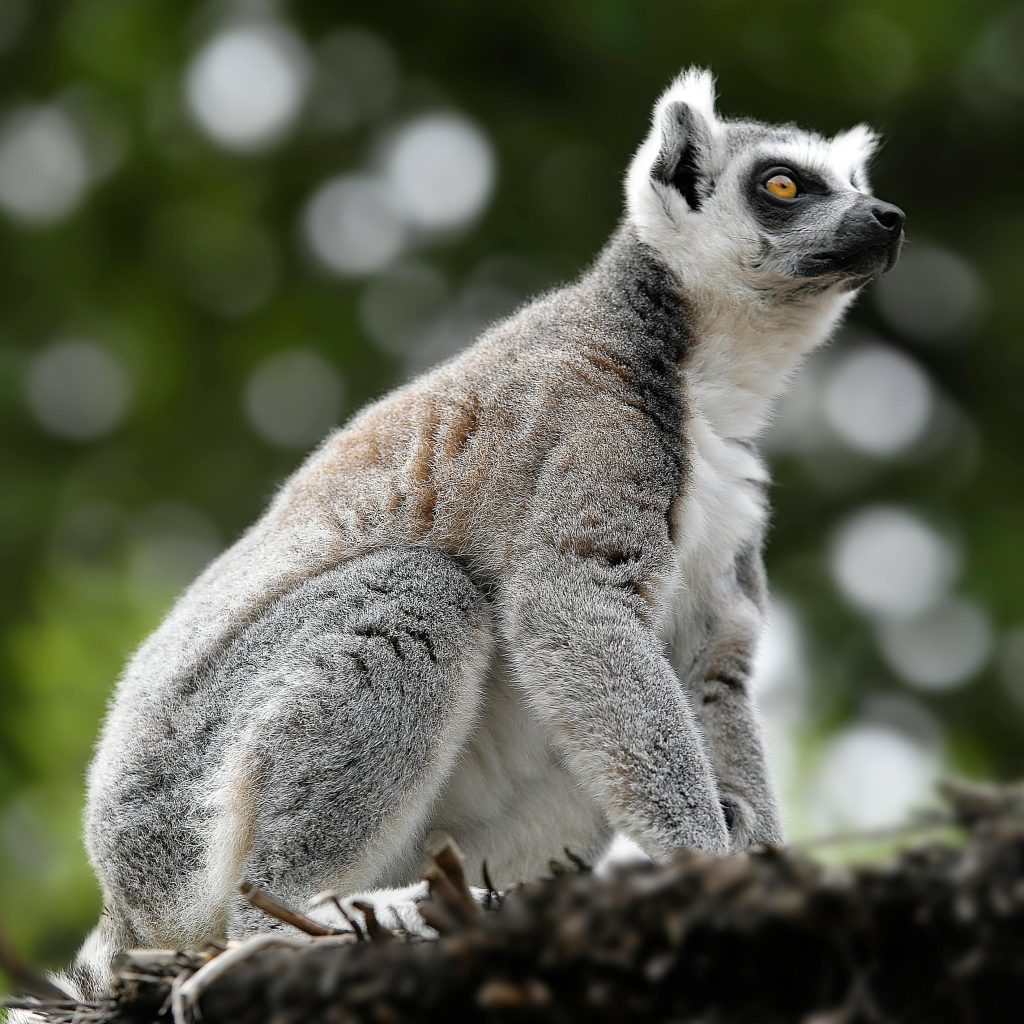
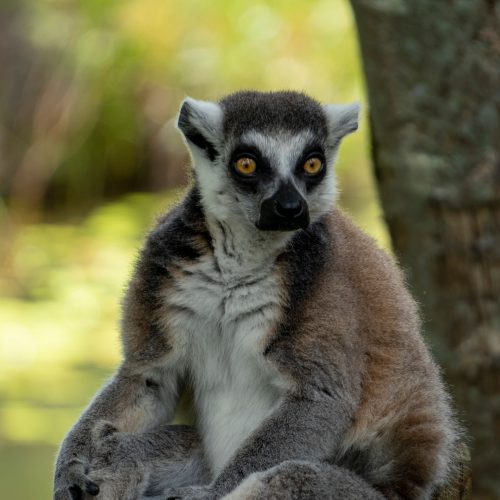
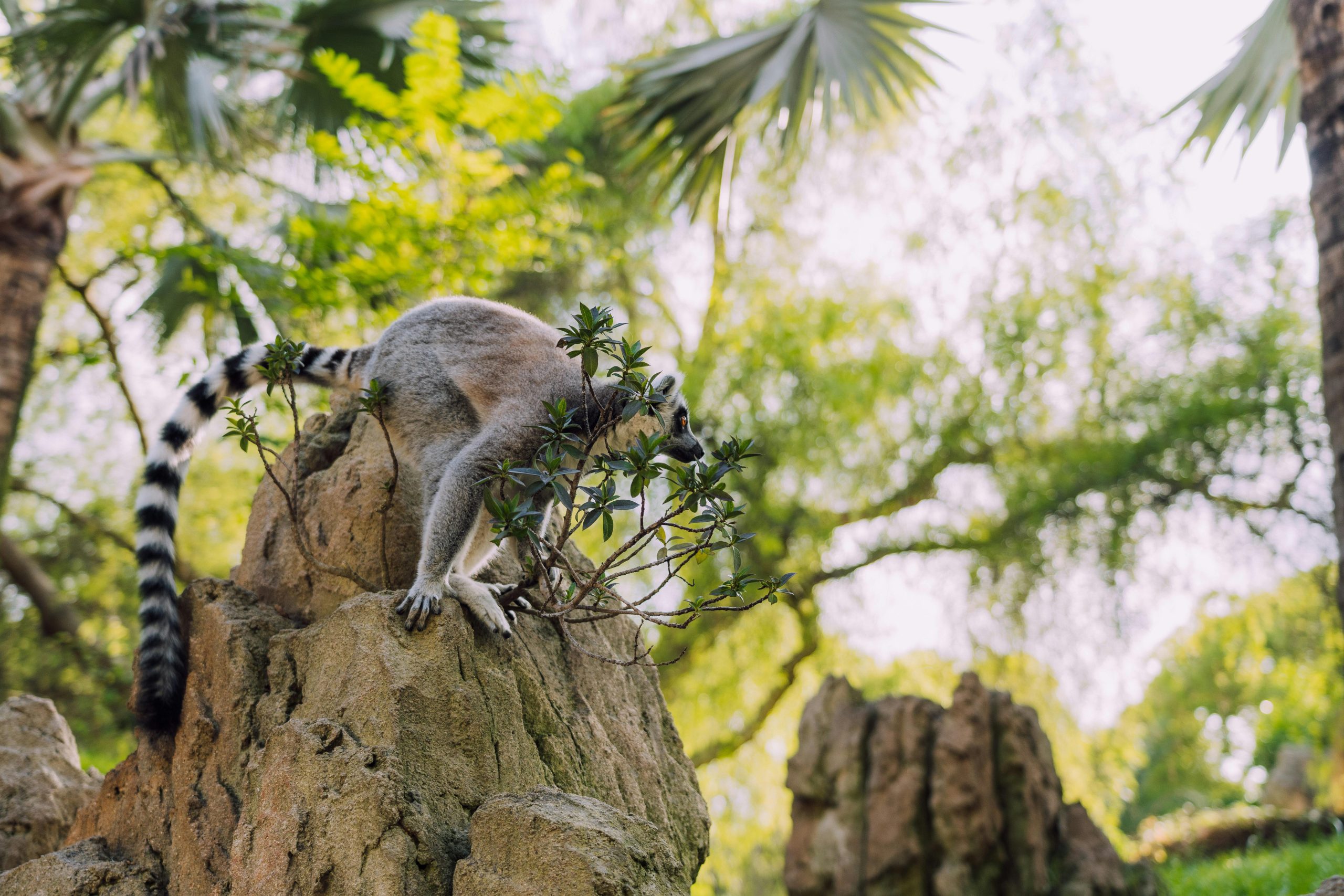
- Anja Community Reserve: ring-tailed lemurs and granite landscapes.
- Kirindy Forest: a dry forest known for distinctive wildlife, including the fossa.
- Amber Mountain National Park: northern rainforest, waterfalls and diverse wildlife.
Sightings depend on location, season, weather and animal behavior. A knowledgeable local guide helps you understand the environment and observe animals responsibly.
Dramatic landscapes and hiking
Isalo National Park offers sandstone formations, canyons and hiking routes. The Tsingy de Bemaraha region is famous for spectacular limestone formations, while the highlands offer rice terraces, rolling hills and traditional villages. Some destinations require challenging road journeys or seasonal arrangements, so allow enough time to reach and explore them comfortably.
Beaches and marine experiences
For relaxation, consider Nosy Be, Sainte-Marie and the southwestern coast around Ifaty. Depending on conditions, activities include snorkeling, boat excursions and beach time. If the beach matters, place it at the end of your itinerary rather than combining too many distant destinations.
Malagasy culture and local communities
A private tour can include Malagasy traditions, local crafts, regional cuisine and everyday life. Visits should be arranged respectfully, with attention to local customs and the wishes of the communities involved.
2. Choose the Right Duration for Your Private Tour
The ideal length depends on your interests, available time and preferred pace. A journey covering several regions often takes longer than expected, so include realistic travel times, overnight stops and time to enjoy each destination.
Focus on one region
Best for a concentrated itinerary, such as Antananarivo and Andasibe for rainforest wildlife, or selected highlights along the RN7. Rewarding when designed around your main interests.
A more varied adventure
Combine highland scenery, rainforest wildlife, national parks and a coastal stop. The exact mix depends on arrival and departure points and whether domestic flights suit you.
Explore additional regions
Contrasting regions without rushing: eastern rainforests, western baobabs, northern parks or southern scenery and beaches. A well-planned route beats covering the whole island.
3. Select Destinations That Fit Your Route
Destinations that look close on a map may involve long journeys because of road conditions, terrain and transport connections. Choosing a logical route is one of the most important decisions.
Eastern rainforest route
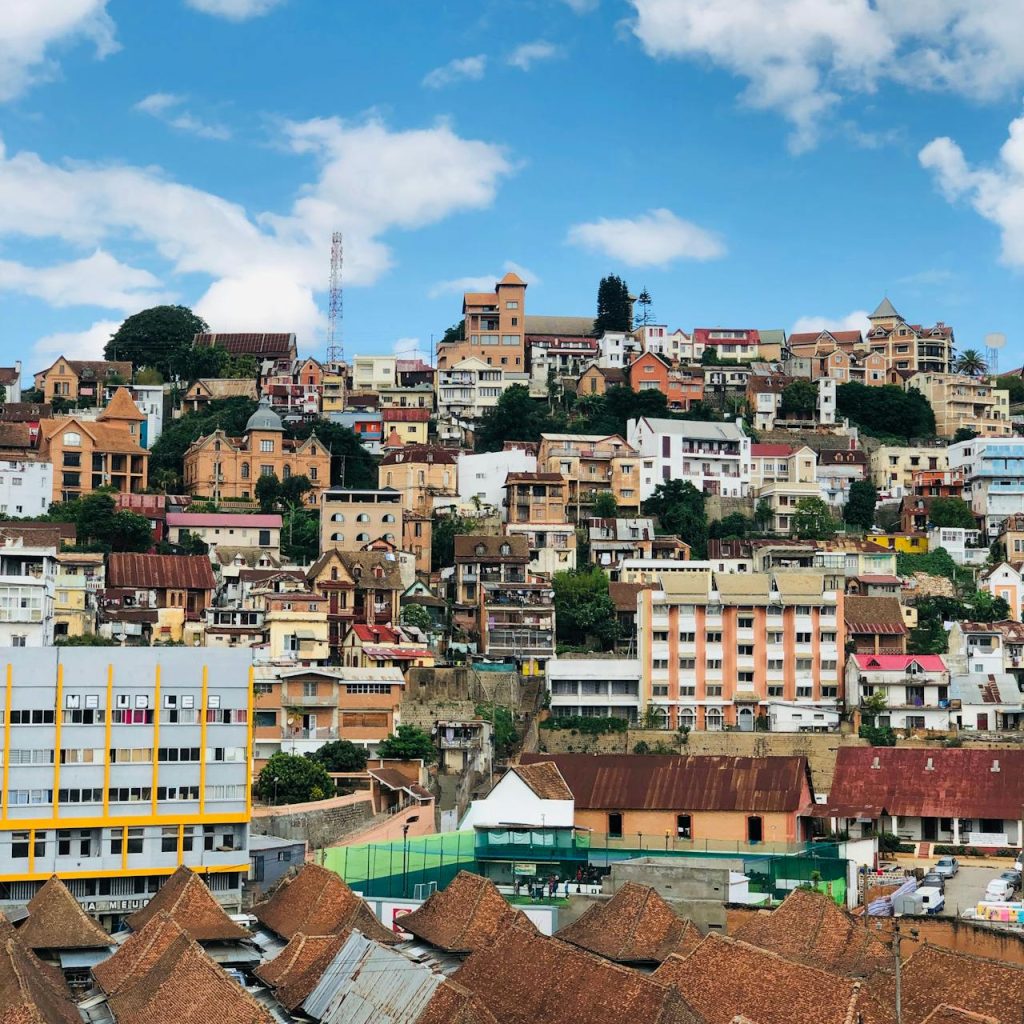
Antananarivo, Andasibe and other eastern destinations. Ideal for lemurs, rainforest walks and nature observation.
Southern RN7 route
Antsirabe, Ranomafana, Ambalavao, Anja and Isalo, with the option to continue to the southwestern coast. Highland culture, rainforest, wildlife and striking landscapes.
Baobabs and Tsingy
The Avenue of the Baobabs and Tsingy de Bemaraha. Rewarding, but access and travel times need careful planning; seasonal road conditions can affect feasibility.
National parks and islands
Amber Mountain, Ankarana and Nosy Be. A good choice for wildlife, volcanic landscapes, boat trips and beach relaxation.
Can you combine several regions?
Yes, but combining distant regions may require domestic flights or extra travel days. Check flights, connections, accommodation and local activities before confirming. If you prefer to travel entirely by road, focus on fewer regions. Safari Tours Madagascar can compare the possibilities and select a route that fits your time.
4. Choose Between a Private Driver and a Guided Tour
For many multi-day itineraries, a private vehicle with a professional driver is a convenient way to travel between destinations.
Private vehicle with driver
It gives more flexibility than public transport and lets you organize stops around your interests. Depending on itinerary and group size, it can include:
- Airport transfers.
- Transportation between destinations.
- Stops for sightseeing and photography.
- Flexibility to adapt the daily schedule where practical.
- Local assistance during the journey.
Vehicle choice should reflect road conditions, passenger numbers, luggage and destinations.
Local guides in national parks
A driver and a park guide have different roles. The driver manages transportation, while the authorized local guide helps you explore the area and understand its wildlife, vegetation and conservation importance. Some travelers also prefer a dedicated guide or tour escort for broader cultural interpretation; the best arrangement depends on preferences, language and budget.
Why local knowledge matters
Road conditions, weather and transport schedules can change. An experienced local operator coordinates the services and finds practical alternatives when necessary. For a smoother journey, plan road travel during daylight and allow flexibility for delays.
5. Establish Your Budget Before Booking
There is no single price for a private tour in Madagascar. The cost depends on itinerary, number of travelers, dates and services included. A realistic budget early on helps you decide which destinations and experiences to prioritize.
- Number of travelers: vehicle and driver are shared costs, so the price per person differs between a solo traveler, a couple and a group.
- Accommodation: guesthouses, standard hotels, comfortable lodges and higher-end properties have different price levels.
- Transportation: distance, vehicle type, fuel and road conditions affect the transport budget.
- National parks and local guides: fees vary by destination and visitor category; some activities have extra charges.
- Domestic flights: they can save time but add to the budget; check schedules and fares.
- Meals and activities: check which meals, excursions and options are included.
- Travel season: availability and pricing can change by destination and dates.
Ask for a clear quotation
Before confirming, ask for a written breakdown of included and excluded services: accommodation, vehicle and driver, fuel, airport transfers, park fees, local guides, domestic flights and meals. Also ask how optional activities, additional nights and itinerary changes are handled. At Safari Tours Madagascar, we use your requirements to develop a proposal suited to your plans and budget.
6. Choose the Best Time for Your Madagascar Tour
Madagascar has varied regional climates, so the best time depends on where you want to go. In general, April to November is a popular period, although conditions differ between regions and months.
7. Book Accommodation and Activities in Advance
Some destinations have a limited choice of lodges or guesthouses, particularly near popular parks and remote natural areas. Booking early helps you secure the comfort level and location you want. Consider:
- Distance from the park entrance or main attraction.
- Room configuration for couples, families or groups.
- Meals and dietary requirements.
- Electricity, hot water and other facilities.
- Comfort after long road journeys.
- Cancellation conditions and payment requirements.
For national parks, confirm entrance fees, guide arrangements, opening times and available trails; these vary between sites according to Madagascar National Parks. Leave some flexibility in the itinerary, especially in remote regions.
8. Prepare Your Travel Documents and Practical Essentials
Before departure, check the entry requirements for your nationality and travel dates. Preparations may include:
- A passport that meets the applicable validity requirements.
- A visa or other required entry authorization.
- Travel insurance covering your itinerary and activities.
- Medical preparations discussed with a qualified travel health professional.
- Copies of important documents.
- Appropriate clothing and footwear, sun protection, insect repellent and a reusable water bottle.
For rainforests, pack lightweight rain protection; for the highlands, layers for cooler evenings; for hiking, sturdy shoes. Carry some cash where cards are not accepted and confirm payment arrangements with your accommodation and operator. For the latest requirements, consult official government and travel sources before departure.
9. Consider Safety and Responsible Travel
Use reputable local transport providers, avoid unnecessary night driving and check current travel advice for your areas. Road conditions vary substantially and some routes become harder in the rainy season. Your operator should discuss the route, expected travel times and alternatives.
Responsible wildlife tourism matters too. In parks and reserves:
- Follow your guide's instructions.
- Observe wildlife without disturbing or feeding animals.
- Keep a respectful distance.
- Follow marked trails and local conservation rules.
- Avoid products made from protected wildlife.
- Respect local customs and ask permission before photographing people.
Locally operated services, licensed guides and community-based experiences help direct tourism benefits toward the people who live in the destinations you visit.
10. Why Choose a Local Tour Operator in Madagascar?
Organizing a multi-region trip independently means coordinating transport, accommodation, park visits, guides and activities. A local destination management company brings these elements together and adapts the itinerary to conditions on the ground. With Safari Tours Madagascar, you discuss your preferences directly with a team based in Madagascar, around interests such as:
- Wildlife and lemur observation.
- National parks and rainforest exploration.
- Photography and nature trips.
- Cultural experiences and local discoveries.
- Scenic road trips and hiking.
- Beach relaxation and coastal excursions.
- Family holidays and private group travel.
Rather than selecting a standard package, explain what matters most to you and discuss how the route can be adapted to the time and budget you have.
How to Request Your Private Madagascar Tour
Planning starts with a few important details:
You do not need every detail decided. If you are unsure which regions to choose, explain what you would like to experience and our team will help you explore the options.
Plan Your Private Tour in Madagascar With Safari Tours Madagascar
Watching lemurs in a rainforest, hiking Isalo's sandstone canyons, photographing the Avenue of the Baobabs or relaxing beside the Indian Ocean: the right itinerary begins with your priorities.
Let us turn your travel ideas into a personalized Madagascar adventure.
Plan Your Private Tour in MadagascarFrequently Asked Questions About Private Tours in Madagascar
Is a private tour in Madagascar worth it?
A private tour can offer greater flexibility, personalized routing and coordinated transport, particularly when visiting several destinations. Whether it is right for you depends on your travel style, group size and budget.
How many days do I need for a private tour in Madagascar?
Seven to ten days can work well for a focused itinerary. Around two weeks allows more variety, while three weeks or longer may provide time to explore additional regions at a more relaxed pace.
Can I customize my Madagascar itinerary?
Yes. A tailor-made itinerary can be designed around your dates, interests, preferred accommodation and budget, subject to availability and practical travel constraints.
Does a private Madagascar tour include a driver?
Many private overland tours use a vehicle with a professional driver. The exact services depend on the proposal, so confirm whether fuel, airport transfers, park guides and other arrangements are included.
Can I visit national parks with a private tour?
Yes. Your operator can help coordinate transport and park visits. Entrance fees, local guiding arrangements and opening conditions should be confirmed for each destination.
When should I book my private Madagascar tour?
Planning several months ahead is advisable for popular travel periods, remote destinations and accommodation with limited availability. Earlier planning also gives you more time to compare routes and organize flights.
How do I get a quotation from Safari Tours Madagascar?
Complete our online Trip Planner with your preferred dates, number of travelers, duration, interests and budget so our team can prepare a proposal based on your requirements.
Your local partner for tailor-made journeys across Madagascar.
Start Planning Your Madagascar Trip