
Birds of Madagascar: The Ultimate Guide to Endemic Wildlife and Birdwatching Adventures
Madagascar is a world-renowned biodiversity hotspot, home to thousands of unique species found nowhere else on Earth. Among its most fascinating inhabitants are the birds of Madagascar, whose diversity, colors, and behaviors captivate wildlife enthusiasts, photographers, and travelers alike. From tropical forests to spiny deserts, Madagascar’s avian species offer an unforgettable long-tail travel experience that combines adventure, culture, and environmental education.
With over 300 bird species recorded, approximately 60% are endemic, making Madagascar one of the most important islands globally for birdwatching. Whether you are a seasoned ornithologist or a casual traveler seeking close encounters with nature, Madagascar’s birds provide both spectacular sightings and ecological insights into the island’s fragile ecosystems.
This guide explores the most iconic birds, the best regions for birdwatching, conservation efforts, and how to plan a responsible trip that connects you to Madagascar’s wildlife wonders.
Why Madagascar Is a Birdwatcher’s Paradise
Madagascar’s isolation in the Indian Ocean has allowed evolution to take its course over millions of years, resulting in unique species adapted to diverse habitats. The island’s ecosystems range from tropical rainforests in the east to dry deciduous forests in the west and spiny deserts in the south, each hosting specialized bird species.
Key highlights include:
- High endemism – Many birds are found only in Madagascar.
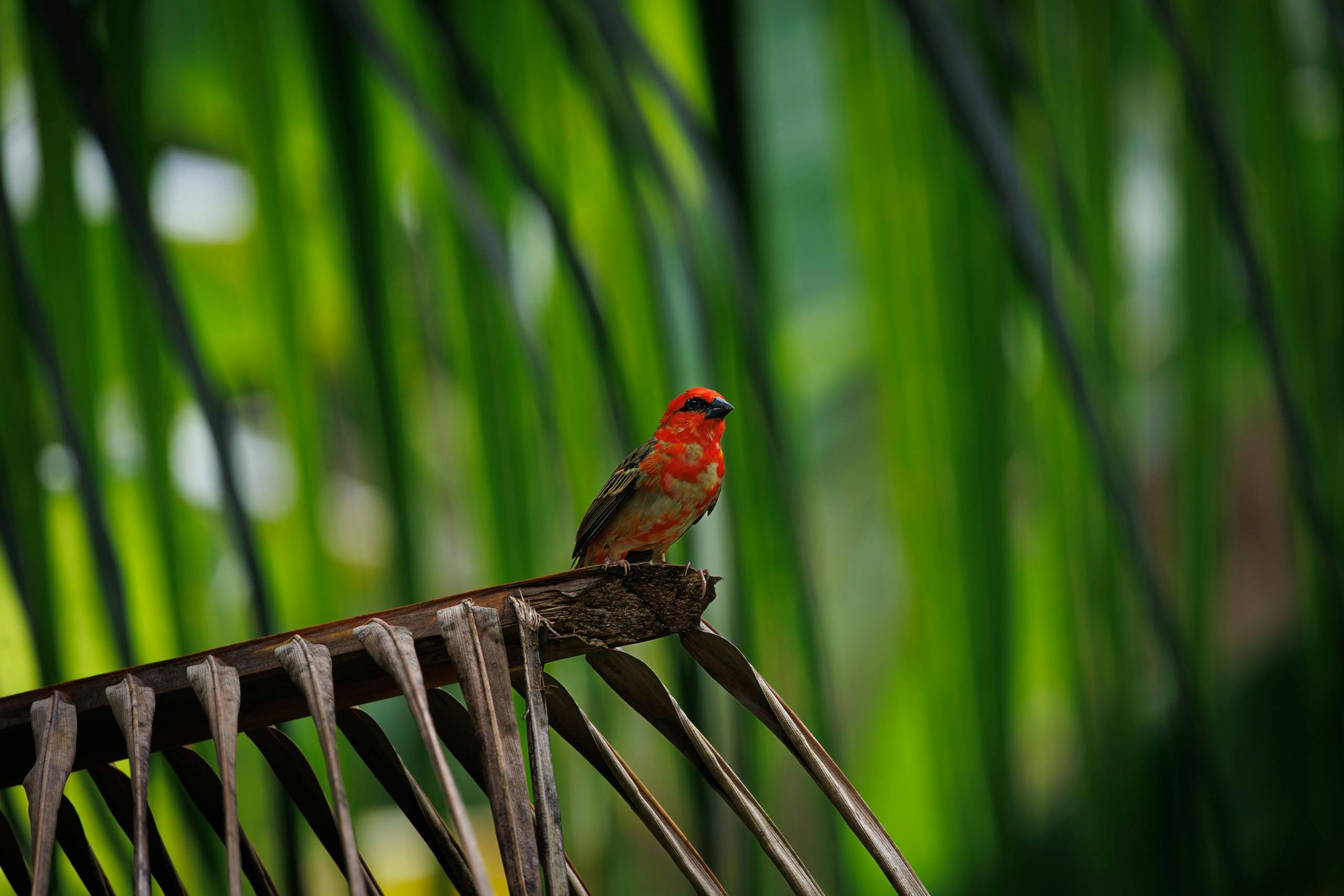
- Vibrant plumage – Vangas, asities, and couas display extraordinary colors.
- Unique behaviors – From cooperative breeding to elaborate mating displays.
- Diverse habitats – Forests, wetlands, mangroves, and spiny bushlands offer a variety of observation opportunities.
Birdwatching in Madagascar is not only about spotting birds but also about experiencing the island’s unique environments, understanding local conservation challenges, and supporting eco-tourism initiatives that benefit communities and wildlife alike.
Iconic Birds of Madagascar
Madagascar’s birds are as diverse as they are unique. Here are some of the most notable species travelers should look for:
1. Vangas
Vangas are one of Madagascar’s most iconic families of birds, with over 20 species. These birds are highly adaptable, inhabiting forests, scrublands, and even urban areas. Their colorful feathers and distinct beaks make them easy to identify and a favorite among photographers.
2. Madagascar Fish Eagle
Found in freshwater lakes and rivers, the Madagascar fish eagle is one of the rarest raptors in the world. Observing this majestic bird soaring above waterways is a once-in-a-lifetime experience for any wildlife enthusiast.
3. Couas
Couas are medium-sized, ground-dwelling birds with striking blue, green, or red plumage. They are endemic to Madagascar and known for their curious and social behavior.
4. Asities
Asities are small, brightly colored birds primarily found in eastern rainforests. Their unique iridescent colors and elaborate mating displays make them a highlight for ornithologists and birdwatchers alike.
5. Ground Rollers
Ground rollers are elusive forest birds that are often difficult to spot but are incredibly rewarding for those patient enough to observe them. They are found in the humid eastern forests and are indicators of healthy ecosystems.
6. Madagascar Pochard
The Madagascar pochard, once thought extinct, is now the focus of intensive conservation efforts. Observing this rare diving duck in its natural habitat is an extraordinary experience for eco-tourists.
Best Regions for Birdwatching in Madagascar
Madagascar offers multiple regions with prime birdwatching opportunities. Each ecosystem hosts unique species, providing a rich experience for travelers.
Eastern Rainforests
The rainforests of Andasibe-Mantadia, Ranomafana, and Masoala are home to vangas, asities, and ground rollers. Dense foliage provides shelter for a variety of endemic species, making guided hikes essential for spotting elusive birds.
Western Dry Forests
The Kirindy Forest and surrounding dry forests are ideal for observing couas, fodies, and the endangered Madagascar fish eagle. Morning walks are particularly rewarding as birds are most active during cooler hours.
Southern Spiny Forests
The spiny forests of Ifaty and the Zombitse-Vohibasia National Park host species like the long-tailed ground roller and various endemic warblers. These arid regions offer a stark contrast to the lush eastern rainforests.
Wetlands and Lakes
Lakes such as Lake Alaotra and coastal wetlands attract waterfowl, herons, and the rare Madagascar jacana. Birdwatchers can enjoy canoe tours while observing these species in their natural habitats.
Birdwatching Tours and Experiences
Organized tours maximize wildlife encounters and provide expert guidance on species identification. Popular options include:
- Guided forest hikes – Led by local experts who know the habitats and behaviors of endemic birds.
- Boat tours in wetlands – Ideal for spotting aquatic species like herons, egrets, and the Madagascar pochard.
- Photography excursions – Specialized tours for photographers aiming to capture rare species and dramatic landscapes.
- Community-based eco-tours – Support local communities while learning about traditional conservation practices.
Conservation and Sustainable Tourism
Many of Madagascar’s birds are threatened by habitat loss, deforestation, and climate change. Conservation organizations work to protect critical habitats and support community initiatives that balance tourism and ecology. Travelers can contribute by:
- Choosing eco-friendly accommodations and certified tour operators
- Respecting wildlife and following park rules
- Supporting local crafts and community projects
- Minimizing plastic and waste during travel
Responsible tourism ensures that future generations can enjoy Madagascar’s unique birdlife and ecosystems.
Cultural Significance of Birds in Madagascar
Birds play an essential role in Malagasy culture. They appear in myths, folklore, and traditional practices. For example, certain species are considered symbols of good luck, fertility, or ancestral protection. Observing birds while learning about their cultural significance adds a deeper dimension to the travel experience.
Planning Your Birdwatching Adventure
For a successful birdwatching trip to Madagascar:
- Best season: October to December for breeding displays; June to September for dry season sightings
- Transportation: Domestic flights or 4×4 vehicles for remote national parks
- Accommodation: Eco-lodges, guesthouses, or field camps
- Equipment: Binoculars, field guides, camera, comfortable hiking shoes, insect repellent
- Guides: Local experts ensure safe, informative, and responsible wildlife encounters
Top Birdwatching Destinations in Summary
| Region | Key Species | Best Experience |
|---|---|---|
| Andasibe-Mantadia | Vangas, Asities, Ground Rollers | Guided forest hikes |
| Ranomafana | Pitta-like Ground Roller, Vangas | Jungle trekking |
| Masoala | Helmet Vanga, Red-fronted Coua | Rainforest exploration |
| Kirindy | Madagascar Fish Eagle, Couas | Morning walks, dry forest |
| Ifaty / Zombitse | Long-tailed Ground Roller, Warblers | Spiny forest hiking |
| Lake Alaotra | Madagascar Jacana, Waterfowl | Canoe tours |
Why Choose Madagascar for Birdwatching?
Madagascar’s combination of endemic species, diverse habitats, and authentic cultural experiences makes it a unique destination. Unlike conventional birding destinations, Madagascar offers:
- Rare, almost impossible-to-see species elsewhere
- Intimate encounters with nature in protected parks
- Opportunities to learn about conservation and Malagasy culture
- A variety of travel experiences: hiking, boating, photography, and eco-tourism
This makes Madagascar a bucket-list destination for every bird enthusiast and nature traveler.
Book Your Birdwatching Adventure Today
Discovering the birds of Madagascar is more than a wildlife trip — it’s an immersion into one of the most unique ecosystems on Earth.
Plan your Madagascar birdwatching tour with expert guidance to maximize sightings, explore diverse habitats, and support sustainable tourism.
👉 Book your Madagascar adventure here:
https://www.safaritoursmadagascar.com/contact/
Madagascar awaits
You might also like these tours