Madagascar Travel Guide: Everything You Need to Know Before Visiting the Red Island
Madagascar is unlike any other destination on Earth. Separated from Africa for more than 88 million years, the island has evolved into one of the world’s richest biodiversity hotspots. Around 90% of its wildlife is found nowhere else, making it a dream destination for nature lovers, photographers, hikers, birdwatchers, and adventure seekers.
But Madagascar is much more than lemurs and baobabs. From lush rainforests and dramatic limestone formations to white sandy beaches and vibrant local cultures, every region offers a completely different experience.
Whether you are planning your first visit or looking for a tailor-made itinerary, this complete Madagascar Travel Guide will help you organize an unforgettable journey.
Why Visit Madagascar?
Madagascar is the fourth-largest island in the world and offers experiences impossible to find elsewhere.
Here, you can:
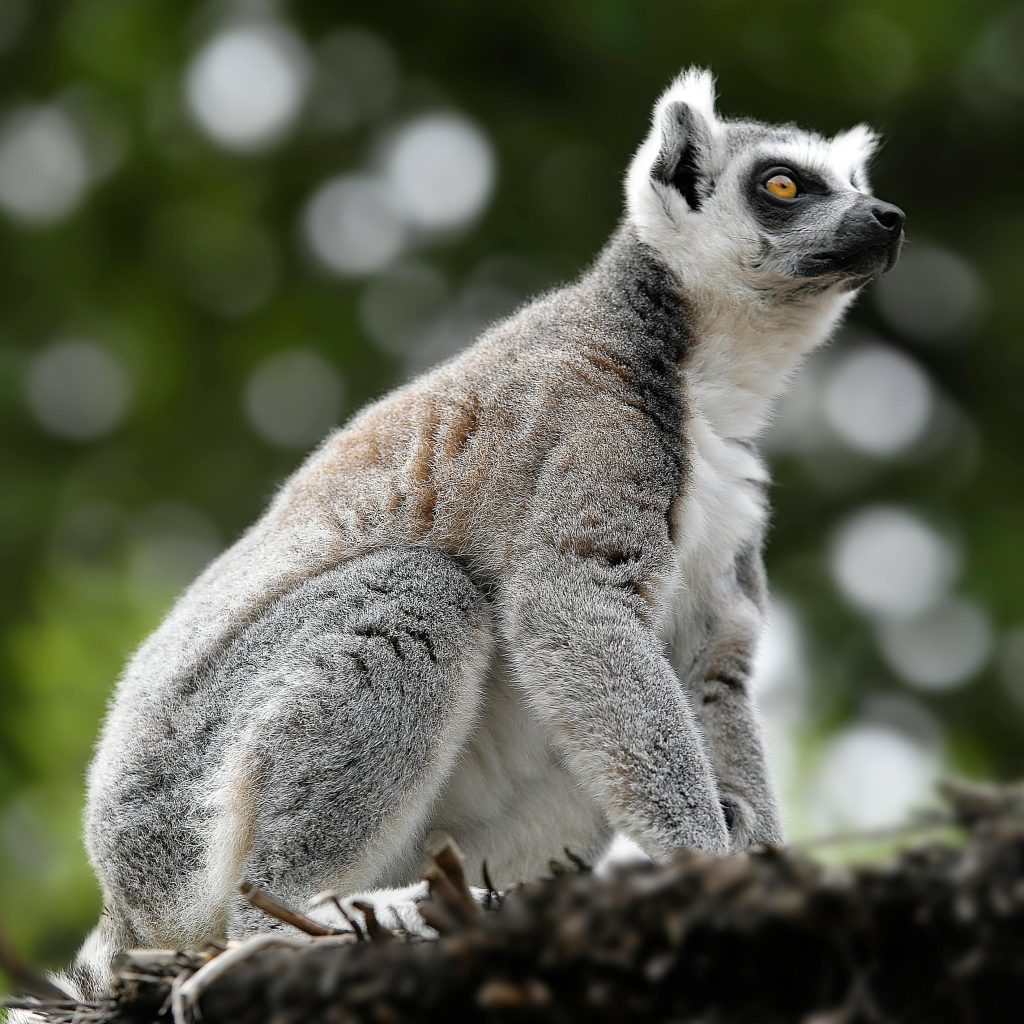
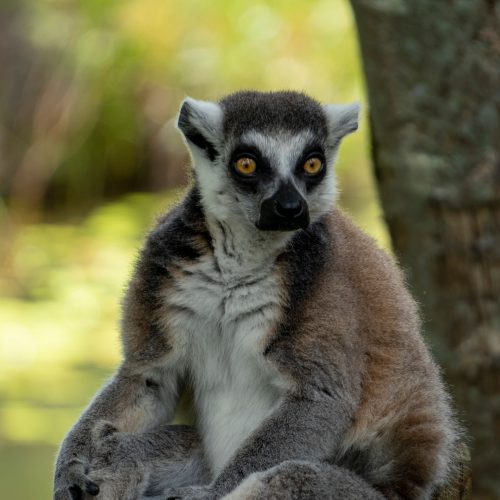
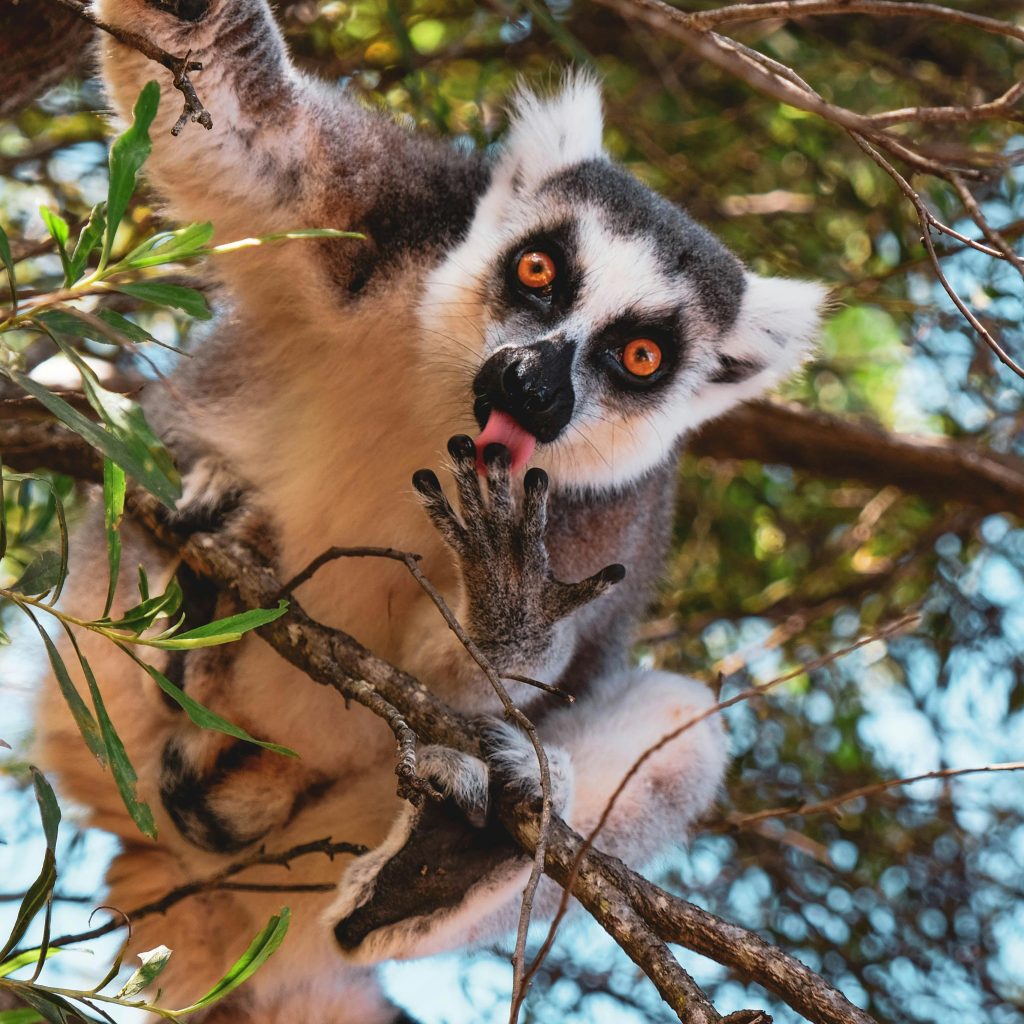
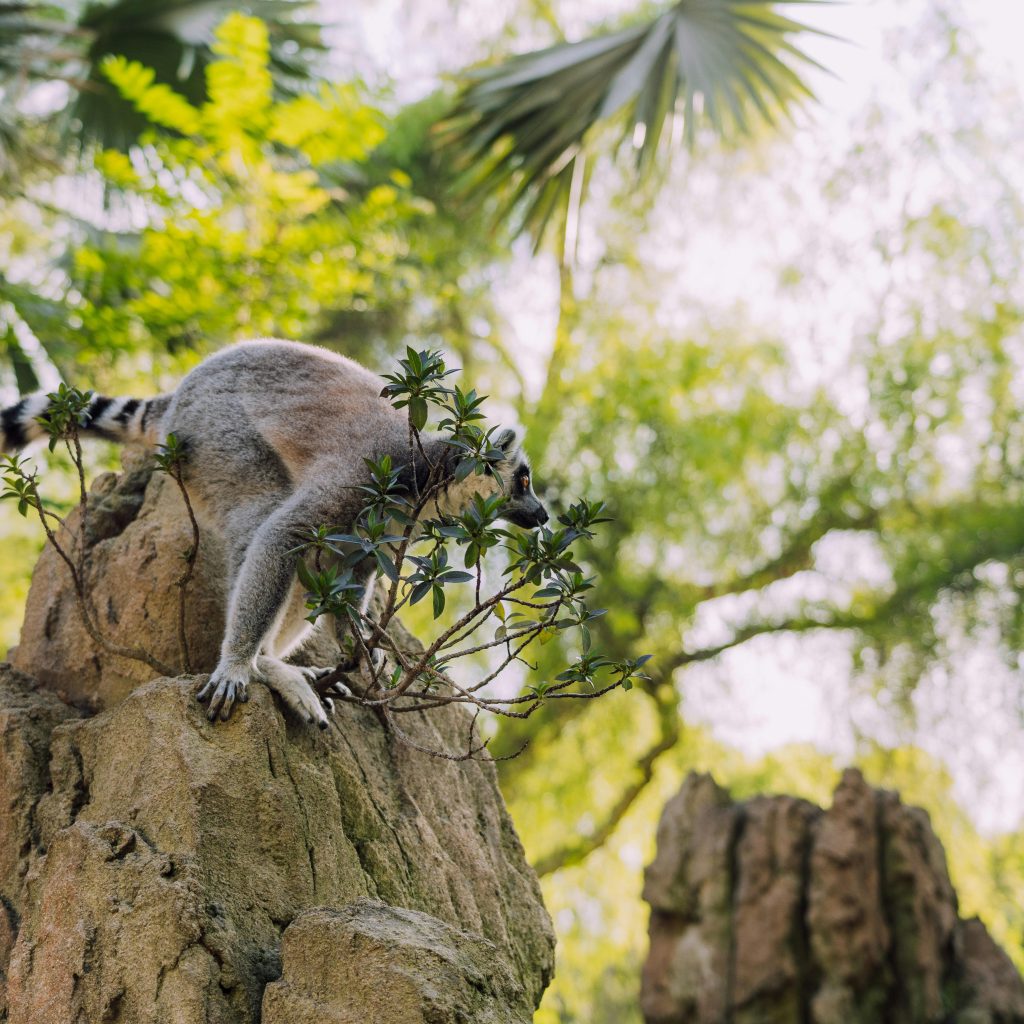
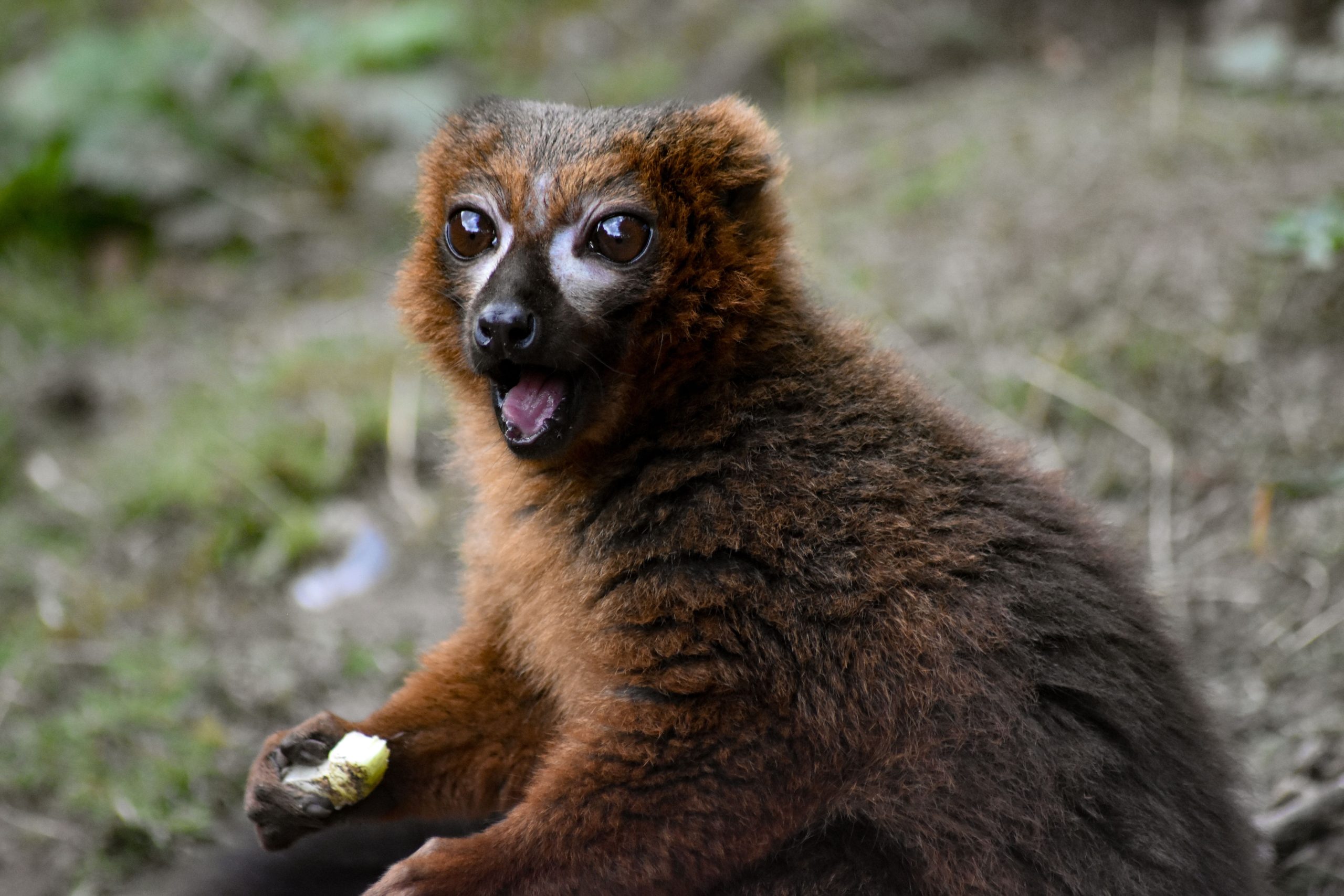
- Observe dozens of lemur species in their natural habitat.
- Walk through tropical rainforests filled with orchids and chameleons.
- Watch breathtaking sunsets over the iconic Avenue of the Baobabs.
- Explore spectacular national parks.
- Relax on pristine beaches with crystal-clear waters.
- Meet welcoming local communities and discover authentic Malagasy culture.
- Enjoy a private adventure away from mass tourism.
Madagascar is perfect for travelers seeking authentic experiences rather than crowded tourist destinations.
Where Is Madagascar?
Madagascar is located in the Indian Ocean, approximately 400 km off the southeast coast of Africa.
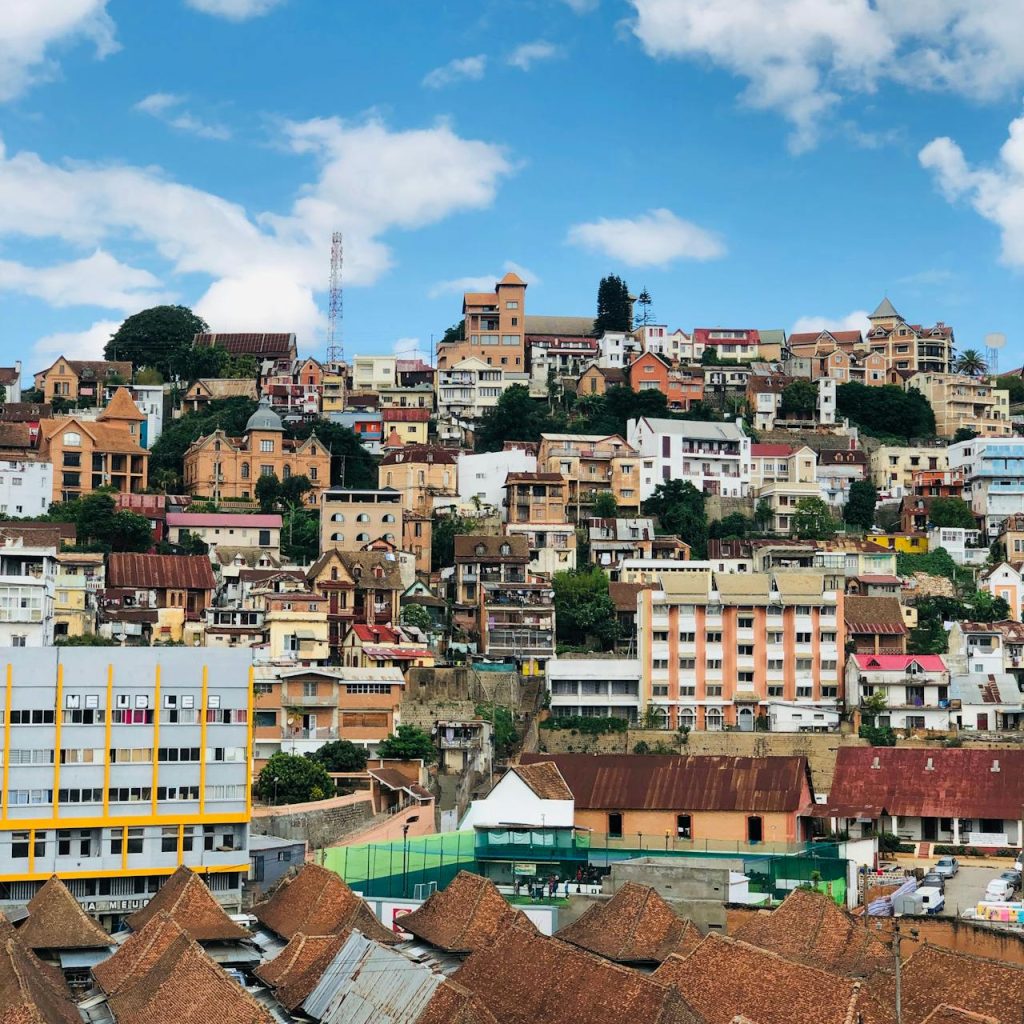
The capital city is Antananarivo, often called “Tana,” where most international flights arrive.
The island stretches over 1,500 kilometers from north to south, offering an incredible variety of landscapes and climates.
Best Time to Visit Madagascar
Madagascar can be visited throughout the year, but the ideal season depends on your travel interests.
April to June
One of the best periods to visit.
The landscapes remain lush after the rainy season, temperatures are pleasant, and wildlife is very active.
Ideal for:
- National parks
- Hiking
- Photography
- Road trips
July to October
Peak tourist season.
Perfect for:
- Whale watching on Sainte-Marie Island
- Dry weather
- Comfortable temperatures
- Wildlife observation
November
Excellent weather before the rainy season begins.
Great for photography and nature tours.
December to March
Rainy season.
Some remote roads and parks may become difficult to access, although beach destinations such as Nosy Be remain attractive.
Do You Need a Visa?
Most international visitors require a tourist visa to enter Madagascar.
Tourist visas are generally available upon arrival or through Madagascar’s electronic visa system.
Always check the latest entry requirements before departure, as regulations may change depending on your nationality.
Is Madagascar Safe?
One of the most common questions travelers ask is whether Madagascar is safe.
The answer is yes.
Thousands of visitors travel around Madagascar every year without problems.
Like any destination, common precautions should be taken:
- Avoid walking alone at night in large cities.
- Keep valuables secure.
- Use experienced local guides.
- Book transportation with reliable tour operators.
Traveling with a professional local agency significantly improves comfort, logistics, and safety throughout your journey.
How Long Should You Stay?
Madagascar is much larger than many visitors expect.
Road travel takes time, making short trips less rewarding.
Recommended durations:
- 7 days: One region
- 10 days: Southern Route
- 14 days: Best Highlights
- 18–21 days: Complete Madagascar Experience
The longer you stay, the more diverse ecosystems you can discover.
Top Places to Visit in Madagascar
Andasibe National Park
Located only a few hours from Antananarivo, Andasibe is famous for the Indri Indri, the largest living lemur.
Visitors also encounter:
- Chameleons
- Frogs
- Orchids
- Rainforest trails
- Night wildlife walks
Avenue of the Baobabs
One of Africa’s most photographed landscapes.
The giant baobab trees create spectacular sunsets that attract photographers from around the world.
Isalo National Park
Known as Madagascar’s version of the American Southwest.
Discover:
- Sandstone canyons
- Natural swimming pools
- Rock formations
- Scenic hiking trails
Ranomafana National Park
A UNESCO World Heritage rainforest filled with biodiversity.
Perfect for wildlife lovers seeking lemurs, reptiles, and endemic birds.
Tsingy de Bemaraha National Park
One of Madagascar’s greatest natural wonders.
The limestone pinnacles create dramatic landscapes unlike anywhere else on Earth.
This UNESCO World Heritage Site is ideal for adventurous travelers.
Nosy Be
Madagascar’s most famous island destination.
Known for:
- White beaches
- Diving
- Snorkeling
- Luxury resorts
- Island excursions
Sainte-Marie Island
A paradise for whale watching between July and September.
It is also famous for:
- Coral reefs
- Pirate history
- Quiet beaches
Madagascar Wildlife
Madagascar is considered one of the world’s biodiversity treasures.
Highlights include:
- More than 100 species of lemurs
- Hundreds of endemic bird species
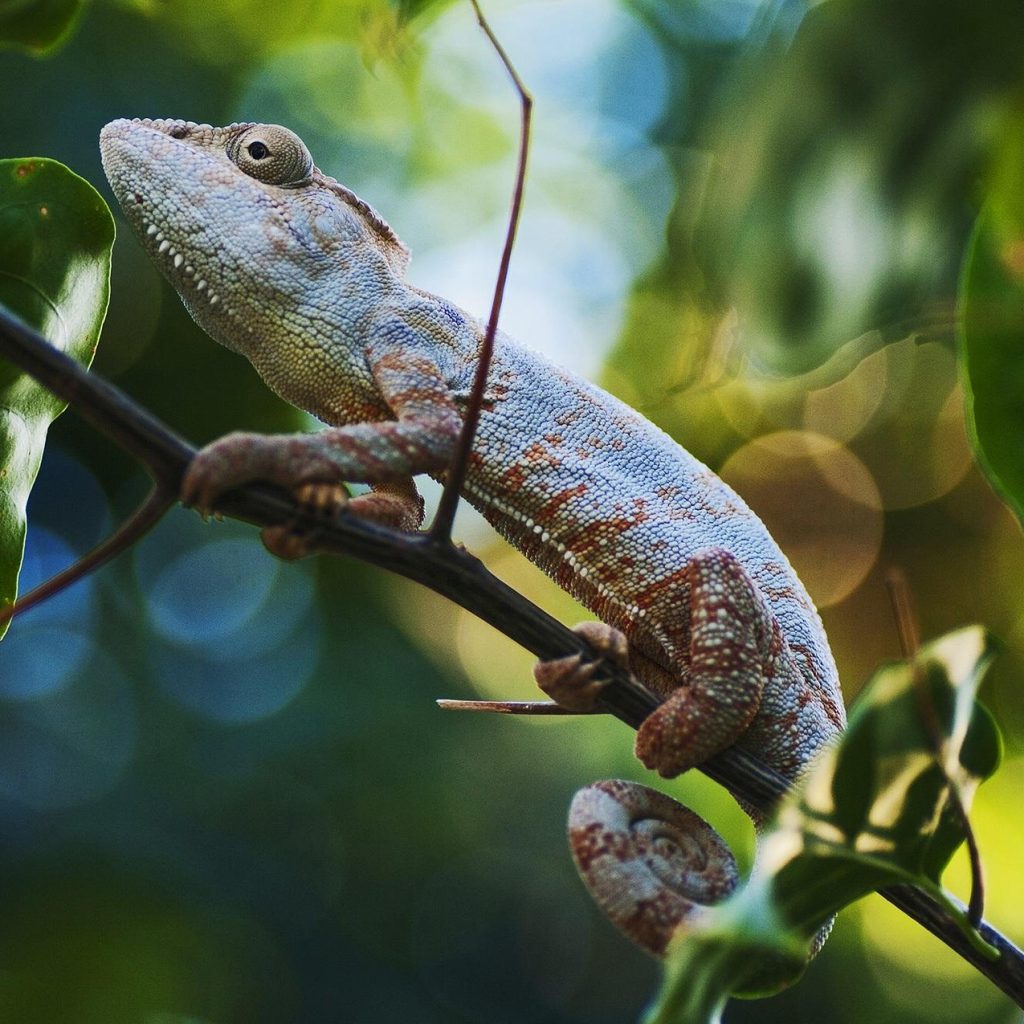
- Nearly half of the world’s chameleon species
- Colorful frogs
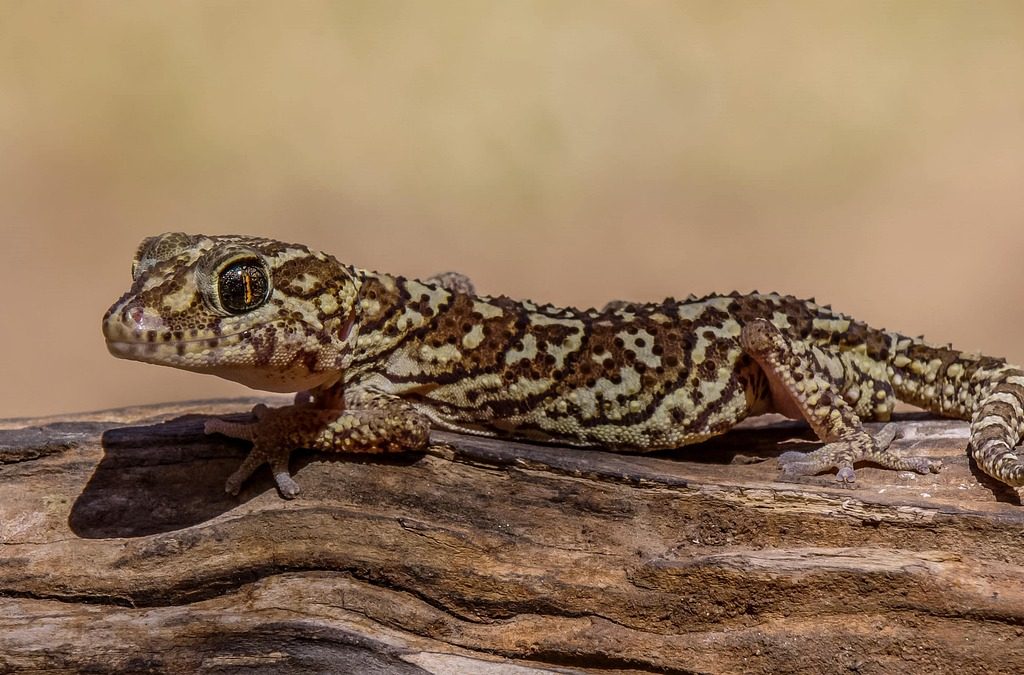
- Rare reptiles
- Unique plants found nowhere else
Wildlife enthusiasts often describe Madagascar as one of the most extraordinary destinations on Earth.
Malagasy Culture
The Malagasy people are renowned for their hospitality and kindness.
The island’s culture reflects African, Asian, and European influences.
Visitors can experience:
- Traditional music
- Local markets
- Handcrafted products
- Village life
- Delicious Malagasy cuisine
Respecting local customs and traditions helps create meaningful cultural exchanges.
Local Cuisine
Popular Malagasy dishes include:
- Romazava
- Ravitoto
- Fresh seafood
- Zebu steak
- Coconut-based dishes
- Tropical fruits
Rice accompanies almost every meal.
Fresh vanilla, cocoa, coffee, and spices are among Madagascar’s most famous exports.
Transportation in Madagascar
Traveling independently can be challenging due to long distances and varying road conditions.
The most comfortable option is to travel with a private vehicle and experienced local driver.
This allows visitors to:
- Save time
- Travel safely
- Discover hidden places
- Enjoy flexible schedules
- Receive local insights
Why Travel with a Local Tour Operator?
Choosing a local travel agency offers many advantages.
You benefit from:
- Personalized itineraries
- Local expertise
- Flexible travel planning
- English-speaking guides
- Reliable transportation
- Carefully selected accommodations
- Authentic experiences
Working directly with a local operator also supports Madagascar’s economy and local communities.
Suggested 14-Day Madagascar Itinerary
Day 1: Arrival in Antananarivo
Day 2–3: Andasibe National Park
Day 4–5: Antsirabe
Day 6–7: Ranomafana National Park
Day 8–9: Isalo National Park
Day 10: Zombitse National Park
Day 11–12: Ifaty Beach
Day 13: Return flight
Day 14: Departure
This itinerary combines wildlife, culture, landscapes, and relaxation.
Practical Travel Tips
Before traveling to Madagascar:
- Carry cash for remote areas.
- Bring insect repellent.
- Wear lightweight clothing.
- Pack comfortable hiking shoes.
- Protect yourself from the sun.
- Purchase travel insurance.
- Carry a reusable water bottle.
- Respect wildlife and protected areas.
Frequently Asked Questions
Is Madagascar expensive?
Madagascar offers excellent value for money. Costs vary depending on accommodation, transportation, and travel style.
Can I travel independently?
Yes, but distances are long and road conditions can be challenging. A private guided tour is often the most comfortable option.
What language is spoken?
Malagasy and French are the official languages. English is spoken in many tourist areas and by professional guides.
What currency is used?
The local currency is the Malagasy Ariary (MGA).
Are credit cards accepted?
Only in some hotels and major cities. Cash is essential for many rural areas.
Why Choose Safari Tours Madagascar?
Planning a trip to Madagascar can be overwhelming because of the island’s size, unique logistics, and countless attractions.
At Safari Tours Madagascar, we specialize in creating tailor-made journeys designed around your interests, travel style, and budget. Whether you dream of seeing lemurs in pristine rainforests, hiking through spectacular national parks, relaxing on idyllic beaches, or discovering authentic Malagasy culture, our experienced local team is here to make it happen.
When you travel with us, you benefit from:
- Customized itineraries created by local experts.
- Professional English-speaking guides.
- Comfortable private transportation.
- Carefully selected accommodations.
- Authentic cultural experiences.
- Flexible travel planning.
- Dedicated assistance before and during your trip.
Our goal is not only to show you Madagascar but to help you experience it in the most authentic, comfortable, and memorable way possible.
Ready to Plan Your Madagascar Adventure?
If you’re looking for a personalized itinerary, expert advice, or a free travel quotation, our team will be delighted to help.
👉 Visit our Contact page on Safari Tours Madagascar to discuss your travel plans with one of our local specialists and receive a tailor-made proposal with no obligation.
Madagascar awaits
You might also like these tours